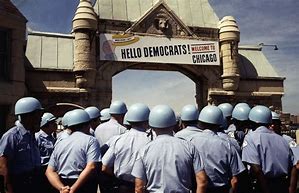
When my first husband, labeled Madman Murphy by his Princeton colleagues, came to the end of his Sociology degree in 1968, the campus uncharacteristically fire-cracked with small anti-war rallies, civil rights demonstrations and teach-ins on avoiding the draft. I spent all my free time campaigning for the Democratic Presidential peace candidate, Minnesota Senator Eugene McCarthy, in nearby Trenton with our toddler Joe hanging in an Army surplus knapsack on my back. Campus memorial services for Martin Luther King, Jr. ignited nascent embers in the Ivy League gentleman conscience. Bobby Kennedy’s funeral train passed by Princeton Junction on the weekend Madman Murphy graduated. We partied through the summer at the Jersey Shore. Murphy lifeguarded, Baby Joe and I frolicked on the beach, and we delighted in the safety of the light of day.
At night Murphy and I took turns babysitting and joining friends at our favorite watering holes. I started smoking pot and argued with everyone over the Viet Nam war. Jersey Shore barflies had nothing on me, after all, I’d been schooled by Princeton peace activists and Ramparts Magazine.
President Lyndon Johnson did not seek reelection. After Bobby Kennedy’s assassination in June, Eugene McCarthy, the intellectual standard-bearer of peace and justice, was left to shepherd the world toward a Democratic victory in his frenzied campaign for President.
In the summer, I tutored a young cousin in elementary arithmetic and sentence structure. I used my cash to buy stationery and postage stamps and took to writing letters to Bobby Kennedy delegates asking them to vote for McCarthy at the Democratic Convention in Chicago that August. I’d pontificate daily to friends and strangers on the beach and in the bars to test out new reasons to support McCarthy over the late-arriving establishment candidate Senator Hubert Humphrey. I fully expected my work to pay off at the Convention and longed to be at the youth festival planned in my hometown to celebrate McCarthy’s victory.
By the time I joined friends at a neighborhood Jersey Shore saloon to watch the Convention on TV, news accounts of the protests and riots were interrupting coverage of the political speeches inside the Convention Hall. But that didn’t matter to me. Soon all would be well. McCarthy would clinch the nomination and beat Richard Nixon in November. No doubt about it.
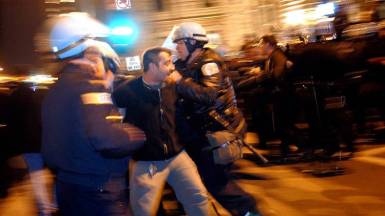
The unthinkable startled me out of innocent political bliss. The TV flashed back and forth between white men bullying peace delegates inside and police beating peace activists outside. Mayor Richard J. Daley ordered the police to shoot to kill. People who looked like me were dripping in blood.
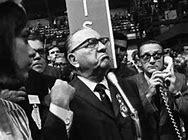
What was happening? Eighty percent of primary voters were anti-war. We won the battle and I was sure we’d beaten back the war machine. The delegates rejected McCarthy and his peace plank, nominated Hubert Humphrey and iced out Democratic activists.
And me? I added martinis, LSD, mescaline, speed, librium and cocaine to my diet. I could see no future. By the time the next presidential election rolled around in 1972, AA meetings monopolized my time and I did nothing but slap a George McGovern for President bumper sticker on my VW.
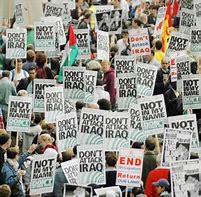


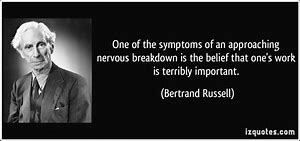
 I’m not exactly sure what a nervous breakdown is. Is it the same as a mental breakdown? Emotional breakdown? Whatever it’s called, I’ve had a few of them. Like in every job I’ve ever had. And with every man I’ve ever loved.
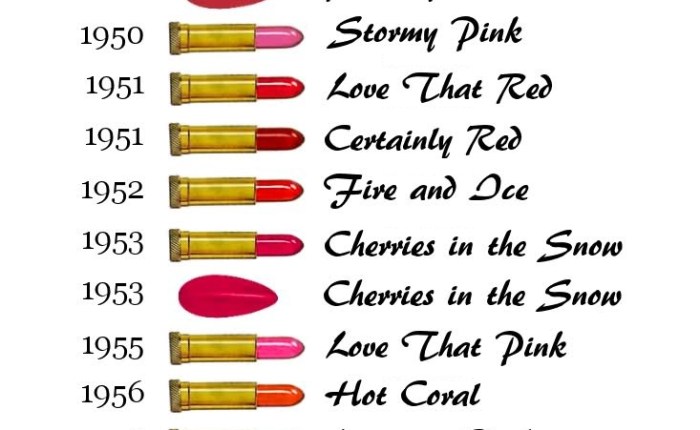
 antique mahogany side table, and the other hand holding the grooved white plastic top, she’d drag the brush along the lip of the bottle to get just the right amount of polish. Pulling the brush from the bottom of the nail to the top in perfect form nail after nail, she’d quietly finish the job, then blow on the tips of her fingers to dry them.
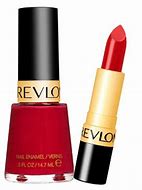 For a few years after my mother died, I entered into the ritualized glamor of painting my own nails red. I sat before a young manicurist who updated me every week on the intrigue of her affair with a rich married man. When she moved in with him and quit her job, the allure of painting my nails lost its luster.
 father left the Navy, we moved to a red brick colonial on Fox Hall Road in Washington and my father started his first job as a labor lawyer for John L. Lewis, founder of the United Mine Workers. They held the same liberal political views but Lewis, a devout, moralistic Mormon and my father, in the early stage of his alcoholism had battling temperaments.
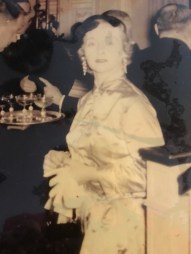 They all called my mother cool behind her back not because she dressed in black turtlenecks like a degenerate beatnik but because with her acid tongue and casual elegance she let them drink beer in her living room and laughed at all their jokes.
 Regan Burke