Such a big deal. The hair.
“What’s wrong with your hair?” my mother asked every time I saw her until her death when I was forty years old. “Get your hair out of your eyes,” and “Go brush your hair,” were common salutations when I was a child. My hair looked like her hair when she was a child, cut straight and short. Hers was blonde, mine brunette. We had moderately thick hair, not wispy or curly. Hairdressers cooed how they loved cutting my hair because it’s so healthy.
My mother disdained long hair as unfashionable, her tip-off to an inferior human being. She let me cover my short hair in bandanna-type scarves tied at the back of the neck like the picture on the Aunt Jemima Pancake Mix. I loved that picture. Aunt Jemima symbolized what I wanted my mother to be. Happy, warm and always flipping pancakes for breakfast.
Our household of five females acquired a portable hairdryer just in time for me to revamp my hair for high school. The tabletop boxy machine had a four-foot flexible tube that connected to a soft plastic bonnet with holes on the inside. I’d curl chunks of short wet hair around plastic tubes, called rollers, and secure them to my scalp with long metal bobby pins. Then I’d cover my caterpillar-like head with the bonnet, switch on the heat, light up a Marlboro and sit on my bed reading Time Magazine while hot air transformed my pubescent healthy hair. Too loud for listening to the radio, the cranked up hairdryer sounded like I’d plugged into the exhaust end of the vacuum cleaner. The result, supposedly a Jackie Kennedy style bouffant, gave my dehydrated hair the look of a puffy rippled helmet.
I rebelled against the home hairdresser and the bouffant during a beatnik phase when I grew long hair, straight-parted in the middle. I wrote poems, learned folk songs, read Lawrence Ferlinghetti and Albert Camus. I armed myself with facts from Village Voice articles to counterpunch a friend’s parboiled views bubbled up from his father’s membership in the ultra-conservative John Birch Society. We debated in the local sweet shop after school before bicycling to the town cemetery to skateboard.
For my senior yearbook my mother persuaded me I would look sophisticated with a pixie haircut. I wanted to be sophisticated, to go to college and write for the New Yorker. But I became a stoned out alcoholic hippie instead, and let my hair grow long again.
Coming to my senses, I’ve conceded to medium length hair, give or take, for more than half my life. Once in a while around three o’clock in the morning I wake up in front of the bathroom mirror holding scissors and looking down into a sink rimmed with leavings of healthy grey and white hair.
My Bohemian hairdresser tells me it’s uncommon but not unusual.
“A revenant wants you to cut your hair and has visited you in your sleep.”








 I’m not exactly sure what a nervous breakdown is. Is it the same as a mental breakdown? Emotional breakdown? Whatever it’s called, I’ve had a few of them. Like in every job I’ve ever had. And with every man I’ve ever loved.

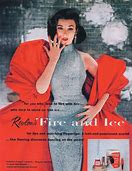 antique mahogany side table, and the other hand holding the grooved white plastic top, she’d drag the brush along the lip of the bottle to get just the right amount of polish. Pulling the brush from the bottom of the nail to the top in perfect form nail after nail, she’d quietly finish the job, then blow on the tips of her fingers to dry them.
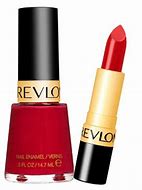 For a few years after my mother died, I entered into the ritualized glamor of painting my own nails red. I sat before a young manicurist who updated me every week on the intrigue of her affair with a rich married man. When she moved in with him and quit her job, the allure of painting my nails lost its luster.
 Regan Burke