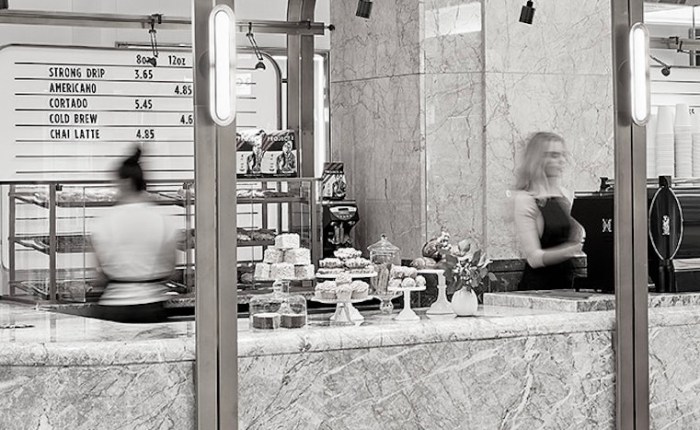
Fresh off a Zoom webinar titled Midwest Reparations, I rushed to my local coffee shop for a takeaway to sip during my upcoming current events group.
“12-ounce coffee in a 16-ounce cup?” The White barista asked. That’s my usual, with room for cream.
“Yes, please. What are all these new pastries? Chocolate cake? Key lime pie?”
“Yep, they’re new. All from different bakeries” said the barista.

“I’ll be back later with friends. They. Will. Love. These.” I said.
The Blackroots Alliance webinar that morning enlightened me on reparations projects in the Midwest. These are nascent activities reviving the 159-year-old “40 Acres and a Mule” policy for emancipated slaves that was promised and then revoked during Reconstruction. The initial focus of current reparations projects is research to uncover the descendants of enslaved people and how they’ve been impacted. Non-Black allies join at the end of the process when it’s time to distribute funds. Research is conducted by the harmed community, Black Americans, particularly African descendants, who look through the eyes of the tortured generations of chattel slavery. Non-Black Americans cannot be trusted to do this research since they see through a different lens: the eyes of the colonizers, the enslavers, the guardians of the dominant culture.
With this new information, I was wondering how I, an old White woman, could fit into the reparations movement as I filled my coffee with half and half and rushed over to my current events group.
The group discussed the news of familiar territory: TFG, the former guy, and his latest legal shenanigans, immigration, climate change, gun control, and the ever-evolving White Christian Nationalism. Afterward, a small group sauntered over to the coffee shop where I’d spotted the new pastries. Six of us pulled up around a small table, coats draped over our chairs, rising one by one to fetch our drinks.
I was the last one to the counter.
“I’m sorry, we can’t serve you.” said the barista.
“What?”
“We can’t serve you. The manager wants to talk to you.” I joined my friends and announced what happened. The manager appeared and asked to speak to me privately.
“We can’t serve you because there’s been a report of you using a racial slur this morning.”
“What? What racial slur?
“The “N” word.”
“Well, there’s a mistake. I’ve never used that word in my life.’
“You understand we have to investigate when something like this is reported?”
“Wait. Are you accusing me of this?
“We have to investigate. Meanwhile, we cannot serve you.”
“For how long?”
“For the unforeseeable future.”
“You’re kidding. Look at me. I really don’t have an unforeseeable future.”
My friends were incredulous. ‘You? Boy, have they got the wrong person.’ They were ready to mount a protest in front of the building, signs and all.
In the following days, I connected with the company’s Chief Operating Officer. She apologized and emailed me a store voucher for $150. That’s a lot of coffee.
The coffee reparations, however, failed to dispel the lingering notion that I’m not a credible witness to my own story, that I’m not sufficiently worthy to be believed. How can we expect descendants of enslaved Africans to automatically manifest self-worth after enduring generations of false accusations, lynchings, and pressed-down powerlessness?
We owe them a lot.
 Regan Burke