
A member of my writing group recited the following essay the other day. I asked permission to post it here because I was moved by how two different Chicagoans address the current influx of migrants.
Conversation on the Bus
Last week I rode the bus and noticed a migrant family near me. The mom was pregnant, her youngest son was fussing, and her other son, maybe three years old, was playing with the window. The father was looking out the window, and the daughter, about ten years old, was sitting next to me. I don’t usually start a conversation on the bus, but she was asking her parents about a bus and their destination. So I said, “Hi, I’m Annette, do you speak English?”

“A little,” she said.
“Where are you going? Could I be of help?”
She looked down and said, “I’m not sure.”
We were quiet, and then I said, “I’m going to my church to a class. Do you go to school?”
She shook her head and said, “We’re new to Chicago.”
“Oh, welcome. Where are you from?”
“We are from Venezuela.”
“I hear your country is beautiful. Nice and warm.”
“Yes, but I miss my grandmother.”
“Of course,” I said. “Your English is quite good.”
“Thank you,” she said. “My dad helps me.” I smiled at him. He smiled back.
Looking at him, I added, “My church supplies clothing and food to immigrants. It opens at nine on Tuesdays and Wednesdays. I’m going there now. “
As we neared my stop I said, “I wish you the very best. I’m getting off at this stop.”
I bundled up and walked along thinking these were gentle people who needed help and hadn’t done anything wrong. I wish everyone had a better understanding of their plight.
People’s problems need a “face” because the mindset changes once you become engaged in conversation with them. I believe most people would want to help, but the housing issue is so severe. I don’t know how to begin to solve the not-in-my-neighborhood problem.
I went to morning prayers and mentioned this encounter to the group and one of them said. “We need to help our homeless first; after all, they are Americans.”
I bit my tongue and simply asked the group to pray for the migrant situation.
Afterward, I talked with my friend Carol. She said, “It’s a complex problem. We desperately need more workers and they’re hard workers.”
“This is a classic social work problem,” I said. “The people on the lowest rung of Maslov’s triangle are fighting for limited resources, and the “scarcity” principle is at work.
The United States has great abundance. Congress has done nothing about immigration for twenty-five years. The situation in South America, with no democracy and lawlessness, makes this a five times bigger problem than it was. People want to escape. I certainly would leave my country if my life and my family’s lives were in danger.
A. Baco 1/18/2024






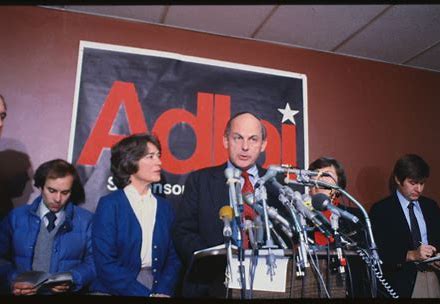 Adlai ordered another martini, a steak, baked potato and a salad. We ordered nothing. We had a lot of ground to cover, and food and drink would be in the way. When the second martini arrived, Adlai asked for beer with dinner.

 I hated money. When my father insisted I send my twelve-year old son to boarding school in the late seventies, I relented because I was afraid my father would stop paying our rent. My son resented me openly and I resented my father secretly. I’ve spent a lifetime declining requests from friends to join them in a subscription to the ballet or a share in a vacation beach house. Why? Money, that necessary evil that separates me from others.
 at Chicago’s Gold Coast Gothic Revival landmark, I arrived late and left early. I sat in the last pew, never opened the pew Bible, the songbook or recited the prayers. I didn’t belong there. I didn’t have the right clothes, right politics or right job. Indeed, I had no right to sit in well-ordered Presbyterianism.
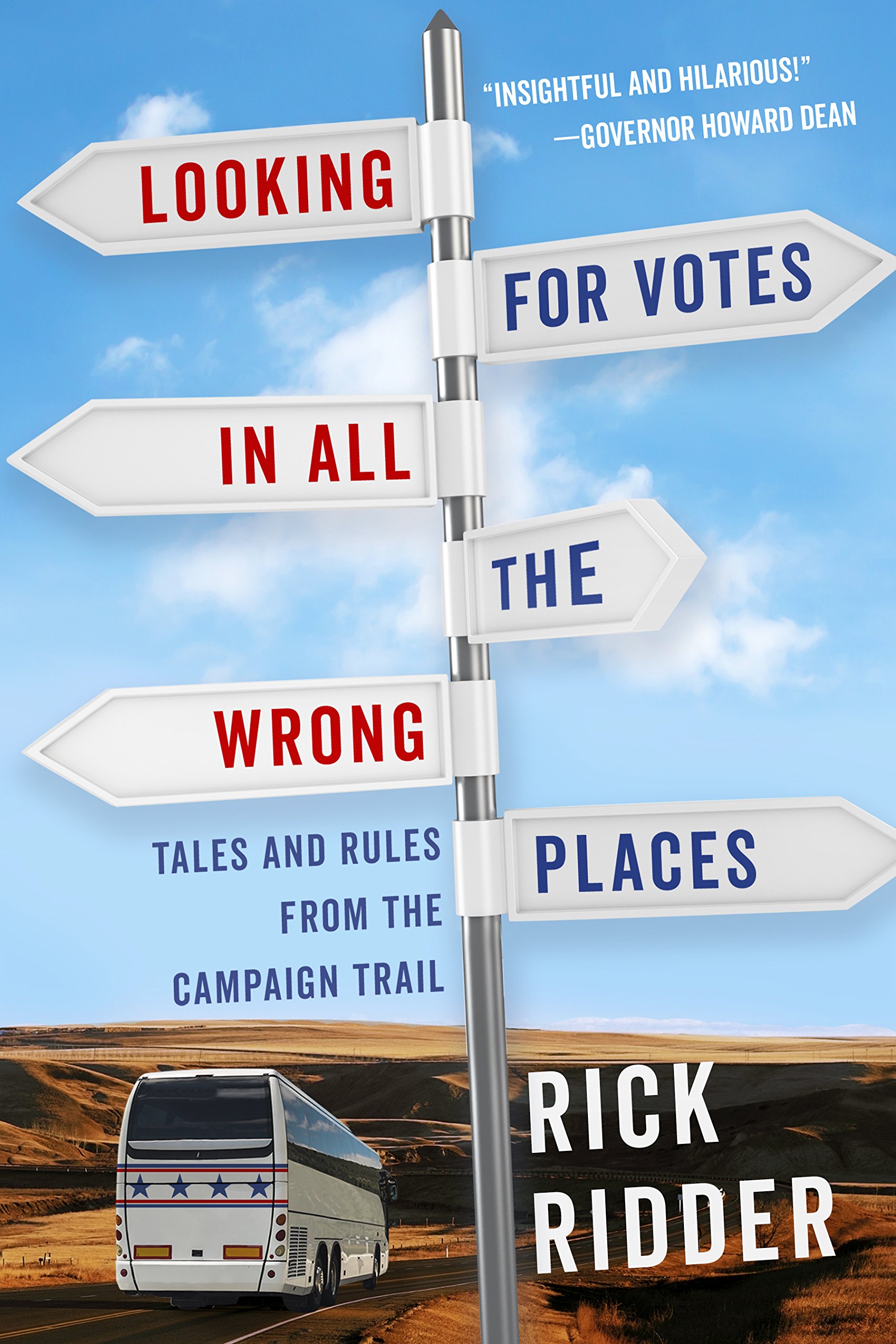 small way. We both survived the 1980s Gary Hart presidential campaigns. So when it comes to making room on the shelves for other sympathy books, the ties that bind keep Rick’s book in place.
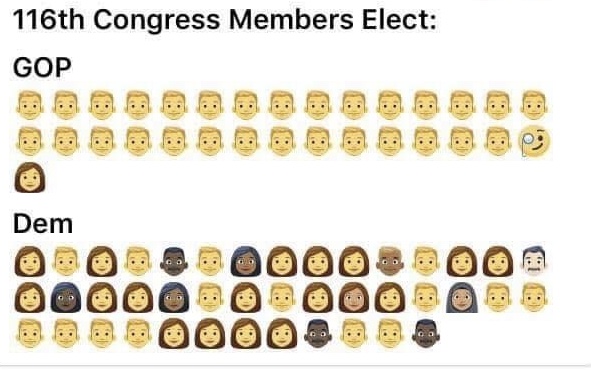 elected a 32-year old black woman nurse, a country that elected a Sudanese Muslim immigrant woman who wears a head covering, a country that elected two Native American women for the first time in history, a country that elected a married-with-children gay governor, a country where a lesbian became a conservative state’s attorney general. My country will have 102 Democratic and Republican women in the House in January, 12 women in the Senate and 9 women governors. In my country, a record forty-four percent of employers offered employees paid time off to vote.
