God and Nature teamed up to give Chicago a few 70 degree days in March. On one of those days, Elsa hopped into the back of a Flash Cab, happy to be going anywhere in a car, even to the vet for a shot. She gave the vet a kiss, because Elsa loves attention, even if it stings. Afterwards, sunshine accompanied us on a mile walk to the park. Elsa chased a few squirrels then jumped on the bench next to me, laid down, eyes open to the sky, blinking away sleep.
I’d been softly observing the small periwinkle clumps popping out of the fallow ground here and there. Hyacinths. They were rebelliously making themselves known far away from the boundary where the rest of their family sprouted. Did you know the hyacinth root is poisonous? Yep, if Elsa digs up Hyacinths with her snout or teeth, it would precipitate an emergency vet visit.
These Hyacinth bulblets multiply slowly over years. When you see them out there on their own, you can bet the root system is strong and ancient. It’s impossible to get rid of. They always come back in the least expected place. When the grass grows an inch or two Chicago Park District employees arrive with monstrous noisy machines that gleefully mow everything down, including errant Hyacinth cells.
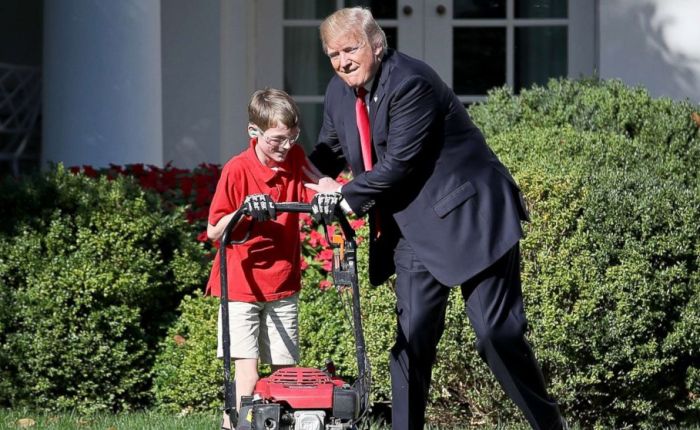
“Mowing the grass” is an Israeli war term coined in their conflict with Hamas in Gaza. These days we hear about the mow-the-grass theory with Trump’s war in Iran. It’s a violent approach meant to weaken Iran’s, or Hamas’, capabilities through intense surface bombing. Mow-the-grass implies that our beef with Iran is intractable. We can only manage it, akin to the Park District gardeners regularly chopping the heads off the relentless hyacinths. The roots are never destroyed. Iranians have unending seedbeds of henchman whose aim is to destroy Israel and terrorize the United States, just as those poisonous doggie land mines remain beneath the surface. Mowing the grass provides temporary relief. There is never, nor will there ever be, lasting freedom from danger.
Meanwhile, the Iran war has distracted us from Israel’s mowing the grass in the West Bank. “Settler Mind” has become a buzz word describing Israeli soldiers (IDF) who kill and maim Palestinians on their own property. The Israeli Settlers have been given free reign to burn out their Palestinian neighbors.
The US Ambassador to Israel, Mike Huckabee, avowed Christian Zionist, has stated on Israeli radio (before the explosive Tucker Carlson interview) that “biblical lands” belong to Israel. He insists on calling the West Bank “Judea and Samaria”, biblical names. Have you wondered lately why the US policy on Israel has shifted away from Trump’s Comprehensive Plan to End the Gaza Conflict? The US is sitting on the park bench softly observing Israel mow the Palestinian grass.
If the White House doesn’t remove Ambassador Huckabee soon, the Arab countries will deem the United States a non-player in any constructive role in peace in the Middle East. Their only regard for the US will be in whatever corrosive deals the individual Gulf states are cooking up with the Trump dynasty. Is that the real strategy?
At the moment, even those corrupt deals look bleak. For who can trust a small-fingered discrepant mean old would-be king?












 Regan Burke