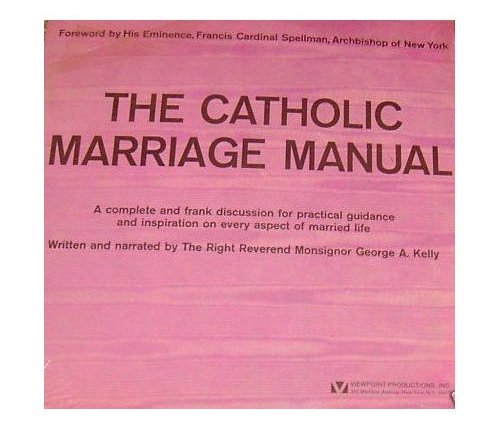
A pamphlet in the back of the church had all the details. The Catholic Marriage Manual. The title revealed nothing to me about the contents. But the sixth-grade boys knew. At recess, the girls followed them into the church from the playground. I was new and needed to fit in. One of the girls grabbed the booklet, and we all ran out to sit under the shady elm at the edge of the parking lot. She read from the booklet, “the man places his penis inside the woman’s vagina” to make a baby. “Eww!” The girls squealed. And those boys, standing by the corner of the church, pointed at us and laughed.
To look cool, I desperately wanted to act like I already knew that. But I was so shocked I couldn’t control my facial expressions, and my shaking knees gave way. I could hardly stand up.
I act the same way when I come to some new awareness these days. I blurt out, “What? How come I didn’t know that?”
A boy I wanted to impress once told me Paul McCartney recorded a very high whistle sound in the song “A Day in the Life” so that his pet dog could hear it.
“I knew that,” I said, hoping he was telling the truth and not testing me. Inside my head, I heard, “What? I didn’t know that!”
Being cool was so important that I spent the first half of life pretending I knew more than I did. Over time, in an effort to be authentic, I slowly emerged from that deceptive veil. The lingering consequence of being truthful about myself was that I could no longer swallow my emotions and hide my expressions.
Recently, a friend and I were rehearsing for a talk that we would present to a White audience on microaggressions. “I don’t see color” is a prevalent White microaggression since it’s a refusal to acknowledge the race-based struggles people endure and the discrimination they face. We discussed the outline, who would address what issue, and how to fill the time if no one asked questions. Then he showed me a video he wanted to use of an Asian woman giving a TED talk on microaggressions.
“Are there videos by Black people instead?” I asked.
“There are, but White people often hear this material better if it’s from a light-skinned person.”
“Oh, of course,” I said, as if I knew that.
Suddenly, my breathing sped up. I started sweating and swaying in my chair.
“I have to take a break,” I said.
The awareness that I don’t listen as deeply to Black people as I do to White people filled me with such shame that I almost fainted.
Life was much easier when I learned where babies come from, jumped up, ran around, and tagged the boys in a game of Steal the Bacon. On the playground, we were free to be ourselves, boys and girls, Black, Brown, and mostly White kids whooping it up in a simpler world where there were no microaggressions and we didn’t see color.
Oops.




 family virtues right forestalled soul-crushing parental recriminations.


 Regan Burke