The facilitator outlined the steps to execute a health care power-of-attorney, letting us know every state is different. I knew we were about to go off the rails when a class member asked about Florida laws. We were in Chicago. But the real turning point came when a woman announced her parents died of Alzheimer’s.
”I just want to know where to get the pills” she said, “and how will I know when to take them?”
She was talking about suicide.
I’ve been schooled on end-of-life living wills, advance directives and “practitioner orders for life-sustaining treatment” (POLST). These documents allow us to describe our wishes at the end, and to designate someone to decide medical treatment when we can’t speak for ourselves. All my papers are in order. For all the Death Cafes, Journey Care and Compassion & Choice discussion groups I’ve attended, never have I been in a roomful of people who turned the conversation so fast and openly to how and when to commit hari-kari before they couldn’t speak for themselves.
The Conversation Project® is yet another public engagement initiative with a goal to have every person’s wishes for end-of-life care expressed and respected. Representatives from the Project don’t come armed with facts on assisted-suicide, or how to identify that one perfect moment before you lose your marbles completely. They do, however, listen. And in my group, person after person expressed fear of not being able to off themselves in time.
One man told us he holds the health care power-of-attorney for his mother, that her instructions are explicit, but he can’t bring himself to pull the plug.
“I’m afraid my siblings will all get mad at me,” he said.
Everyone gasped. It’s what we all fear the most.
I never thought of the possibility that I’d be kept alive beyond my sell-by date. I’m not afraid to die. I’ve thought about it my entire sentient life. Huddled under my first-grade desk waiting for an atomic bomb to drop, I knew I’d be going to heaven to see Jesus (my best friend at the time). What’s to fear? I even tried it out once. I took eighty sleeping pills when I was twenty-four because I knew there was a better place than Point Pleasant Beach, New Jersey, in the cold grey winter.
The idea of my body curling up to a breathing machine and a feeding tube without my consent or knowledge is new. Each and every daybreak now I wake with fear, unable to face the day. I use Anne LaMotte’s simple prayer, “Help me. Help me. Help me,” just to get out of bed.
On a recent temperate morning I walked Henry on our tree-lined motionless street. A
gust of wind came along suddenly and blew the fall leaves off an overhead honey locust. We stood in a yellow-leafed shower, swaddled in fluorescent care. And the fear of dying without dignity moved off into the gutter for the day.
A few years ago I completed a course on “writing away” chronic pain. The workbook, Unlearn Your Pain, asked me to consider: “if there were any particularly stressful or traumatic events in your childhood.” If I answered yes to that little ditty, my next assignment was to: “Describe any of the following: deaths, moves, bullying, taunting, teasing, emotional or physical abuse, changes in school situations, conflicts with teachers, or changes in family situations.”
Every time I finished a paragraph, pain slipped away not only from the sciatica ripping
down my leg but also from the stenosis at the base of my backbone that had been squeezing the life out of the nerves in my spinal canal. The pain relief from these writing exercises accumulated, and when I added a daily dose of meditation and weekly feldenkrais (moving meditation), the pain withdrew completely.
No painkilers. No surgery.
The treatment ran its course and I became addicted to writing the way some chronic pain sufferers become addicted to opioids. That was the beginning.
I found myself in a fifty-five and older memoir writing group scared to death that I didn’t belong. I’d assumed everyone in the group was a published author and they only let me join to fill an empty seat. The first day I came with no writing of my own and listened to stories about the family cat, road trips to the West and baking cookies with Grandma. Was this memoir writing? My stories were about an alcoholic family that turned out alcoholic children. I had no fond memories of family vacations or beloved family pets. I slid down the hall out of the classroom. A class member caught up to me and urged me to come back.
“I can’t write like that,” I said, “my writing is too dark.”
”You can write any way you want. It’s your story to tell,” she said.
I went back, wrote my own stories and heard my words fall loosely on the table in front of me. Shame kept me from lifting them up and out. Pain relief continued at a more dramatic pace as I wrote and shared stories of my distressed childhood. A year or so in, my words managed to reach across the table to the writing teacher, then to Veronica, then down one side and up the other. I created my own blog and posted my weekly writing for public view. Public! Readers wrote important words in the comments, encouraging, wanting more. More!
“You should write a book,” friends said.”
“A book? Never thought of it,” I said.
And then I did.
Writing teacher Beth Finke included one of my stories in her memoir, Writing Out Loud. When I submitted a writing sample to Tortoise Books, the publisher emailed, “I heard you read your story from Beth Finke’s book at the Book Cellar. Send me your manuscript.” Manuscript? I had written 500 words a week for four years but I didn’t have a manuscript. I asked for help.
From.
Anyone.
Willing.
Beth told me to go to a hotel room and spread all my stories out then pick them up one by one and number them in chronological order. “Then you’ll have a manuscript,” she said.
The hotel compilation worked. Using Jerry-the-Editor’s notes, I revised, deleted and rewrote. He’s tracking his final changes onto my pages now. The end is near.
Four and a half million autos are registered in Illinois and I swear every one of them poops in my third floor condo during the summer. Sooty tailpipes dump combusted fossil fuel waste into the air, earning them the top prize for the cause of Chicago’s air pollution.
In season I sit at my open windows, as if I’m on a front porch, surveilling dog walkers, tree trimmers and strolling wayfarers, totally oblivious to airborne black soot drifting up from the street. Until I feel the grit under my bare feet. I dust and mop but I neglect the wide flat wall-to-wall windowsills, since I don’t walk on them or eat off them. By the fall, the accumulated soot requires major housework.
The U.S. Energy Information Administration reports there are more polluting vehicles in American cities now than ever before. Why? Because of Amazon deliveries and Uber riders. Ugh. I’m guilty. People who live near highly traveled roads are at greater risk of death from stroke, lung and heart disease. Still, a force compels me to throw open my windows for as long as Mother Nature allows.
The first week of fall I close the windows and move thirteen oval planters of crimson geraniums and various street-art bird sculptures off the windowsills to vacuum, spray
and wipe up smeary tiny black particles. I toggle back and forth between swearing at the polluting drivers below and feeling superior because I ride my bike.
This year, I frenzied to finish cleaning in time to lunch with friends. As I swung around to pick up the spray bottle, I knocked over a clear hourglass vase filled with my seashell collection. It smashed to pieces on the hard floor. The seashells scattered and I rushed to lock Henry-the-dog away before his compulsive eating disorder kicked in and he devoured the shards. I almost threw the whole mess in the trash. Who needs a bunch of old dead shells?
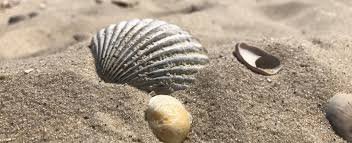
When I returned from lunch I gingerly sifted through the crash site of remembrances. Collecting and identifying seashells was an obsession when I was young, addicted to pot and living at the Jersey Shore. Later I collected shells on other shores—Pismo Beach, Harbour Island, Sanibel. The scallop, clam, oyster and limpet shells had survived turbulent roiling seas, much worse than the fall. I dusted and massaged the intact heirlooms and settled each on a cleared bookshelf. How old are they?
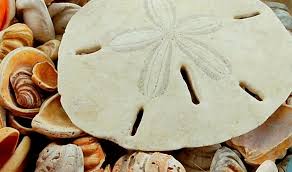
My most prized possessions in the smashed vase, the fragile sand dollars, were too brittle to withstand the impact. In the late 1980s my six year-old cousin and I harvested the moribund sea urchins from intertidal shallows of the Atlantic. We had been snorkeling around his family’s cottage in the Bahamas and splish-splashed far along salty Eleuthera Bay to the narrows between two deserted islands. We tucked a few sand dollars in our bathing suits and floated home half-submerged, flapping lazily over sea turtles, starfish and schools of barracuda. The shattered remains of those sand dollars lay now in the burial mound of ever-increasing sacred memories.
Tyrone bragged that his friend brought a gun to school. In the six months I’d known him he’d told me a few tales, like he and his little brother went to Winter Wonderland at Navy Pier. He didn’t have a little brother, but I often held my confrontational tongue with him in an effort to give him space to be himself. I thought if I earned his trust, eventually he’d stop trying to beguile me with fanciful stories.
He was my seven year-old charge in a weekly volunteer tutoring program. During our first getting-to-know-you session we followed a Q & A script developed by the program administrators. We both had dogs. He had a baby sister. I had grandchildren. He went to a school on Chicago’s west side. I was not sure who mothered him. He mentioned an aunt and a grandmother. He proudly mentioned his father. He wasn’t explicit, and looked away in silence when I pressed for details, what does he do? I eased off to save him from having to think up a story. And really, I didn’t want to know.
The tutoring session consists of helping kids with their homework, creating art projects and playing board games. Tyrone didn’t need help with homework. I guided him while he wrote down answers to math problems and filled in words in sentences. He never got anything wrong, and I praised him for being so smart. I helped him put his homework neatly in his backpack. When I started to reach in and straighten other things in his backpack, he balked at that intrusion. He often hid a football or basketball in there and feared others would see. I surmised he was prohibited from bringing balls to school, and he thought they may be forbidden at tutoring as well. Maybe he was afraid for other reasons.
When I quizzed him about the details of the gun, he said he saw it in his friend’s backpack, that his friend found it in the backyard and that it had bullets in it. I asked if he told his teacher. “No! He’s my best friend!”
Research finds youth from risk-filled backgrounds who successfully transition to the adult world of employment and good citizenship have had the consistent presence of a caring adult. Tutoring programs give kids this opportunity. As a first-time tutor, I attended orientation where consistency and trust were emphasized.
I connected with Tyrone in summer camp. Some kids would point to volunteers and brag, “That’s my tutor!” Having no information about what a tutor is, Tyrone asked me to be his tutor. Yes, I committed to years-long care and support of Tyrone beginning that fall.
I doubted Tyrone’s tale about the gun, but gun-in-school carries weight. I couldn’t bear it alone. I consulted with a supervisor. She knew Tyrone’s caregiver.
“I’ll take care of it,” she said.
The next week he came to tutoring with his sidestep story: his friend brought gum to school. When next I arrived for duty, Tyrone was absent. I knew he’d not return. He dropped out of tutoring and so did I.
Was I right in reporting Tyrone’s story? I doubted myself for months. I switched my volunteering from one-on-one tutoring to leading groups of first graders in meditation. A supervisor caught me in the hall one evening and casually mentioned the gun was no tale.
Tyrone’s friend had walked into first grade with a loaded hand gun in his backpack.
Guest Blogger Nancy O’Shea responded to a writing prompt, “something that included a list of things you should know”, with this memorable letter/essay. Enjoy!
Five Things You Should Know About the Contents of Storage Unit #823
To Whom It May Concern,
If you are reading this letter, it is because our family has given up. We are exhausted from squabbling over stuff that none of us needs or wants. In an effort to preserve peace, we have decided to walk away and not look back. Enclosed you will find the key to storage unit #823. Our mother’s belongings are in that unit. We have already taken items deemed to have sentimental, or possible monetary, value. As you sort through the leftovers, here are a few tips:
Get glue. Mom never threw out anything that was broken, but she never fixed anything either. You will discover bits and pieces of dishware, costume jewelry, kitchen utensils, and other hard-to-identify items. If you find just one piece of something, don’t assume the other pieces are missing. We assure you that in some box (or boxes) they will show up. Think of it as a treasure hunt.
Disregard labels. A box marked “everyday dishes” could contain incomplete jigsaw puzzles (the missing pieces will be elsewhere. See tip #1.) By the way, if you happen to be looking for everyday dishes, we suggest opening boxes marked “miscellaneous.” There are many of those. Some are sure to contain dishes.
Avoid sentiment. We have all the old grade school worksheets we could ever want. Ditto any of mom’s recipes calling for cream of mushroom soup or Jello. And feel free to go ahead and toss any blurry, faded vacation photos showing trees and highways, or the back of someone’s head
Think eclectic. Mom’s décor was a mix of hand-me-downs, garage sale finds, and remnants of her short stint as an antiques dealer. Now and then, she hit pay dirt (sorry, we’ve already taken the “best” stuff.) What’s left is a hodge-podge of styles, patterns, and colors. But don’t despair. The eclectic look has made a comeback. In fact, it now has a new name – Boho, short for Bohemian. This could be a chance to channel your inner hippie.
Do it now. We made the mistake of waiting too long to tackle the job of going through mom’s stuff. Maybe we were lazy. Maybe we feared unleashing painful memories. Definitely, it was a case of “out of sight, out of mind.” And by now, the total bill for the storage unit far exceeds the value of its contents.
Despite abandoning #823, we are grateful for all that mom left us. She curated tangible things to document our early lives, and her entire life. Leaving behind the odds and ends is difficult and feels like a betrayal – necessary, but still a betrayal. So please be respectful. When you heave the unit’s door up and over your head and peer inside with a flashlight, you might be tempted to laugh, and that’s OK. But remember, at one time all those things were important enough to hold, fold, wrap, stack, box. And keep.
Blood-curdling screams wake us in the middle of the seventy degree night. We call the doorman. We call 911. A lot of mother-fuckin’s shreik up the side of the building and yaw into our open windows. We look out, say, Oh, it’s Black people. Stay out of it. Next day in the laundry room we hear, A Black girl stabbed her boyfriend on our corner. On our corner? How do we know it was her boyfriend? What else would it be? Her pimp? We hear it. We repeat it. The pimp got stabbed on the corner.
We watch a crazy guy with no shoes keening mother-fuckers on the Magnificent Mile sidewalk frightening white shoppers. We say, Oh he’s that dirty Brown guy. He’s always around. He’ll find his way. We cross the street.
Before the sun drops behind the high rises on the west side we walk our dogs in the park. We notice a commotion in the bushes. We peek. Two Black men screwing. We run across the street and snitch to the Drake Hotel doorman, each of us bumbling over white words for the deed. Animals, the doorman says, Stay out of it. At the coffee shop we laugh about the out-of-town hotel guests looking out their windows at such a sight in broad daylight.
In the elevator we talk about the nice Black couple who moved into dead Mrs. Smith’s unit. We think they are so well-dressed, so articulate, not like other Black people. We wonder if they know the Black family in unit 2507. We think this. We say this.
The church asks us to fill out a Racial Equity Survey. Huh? We look at each other, look around at the hundreds gathered on Sunday morning. We see three Black people. No Black families. Do we see racial inequity in the church? How are we to answer?
We hear a Black preacher on inter-faith night. He talks about racism. Racism ended when we elected President Obama, right? We think this. We say this. To the Black preacher. We thought the Black preacher would talk about his faith journey, but he talked about his Black journey. We lose interest.
On President’s Day we trudge down the street in our Uggs slippin’ and slidin’ on the street in front of the white church. We help a woman who falls into the fretted wrought iron fence. We use our white cuss words. Damn it, why don’t they shovel the sidewalk? Oh, you know, their Black workers hate the cold. We think this. We say this. We repeat this.
We haul old white bones onto the bus with our canes and walkers and shopping bags. No seats. A Black woman in her Sheraton Hotel housekeeper uniform jumps out of her seat, yells at two fully-formed white dudes. Get your motherfuckin asses up. Don’t you have any respect for your elders?
And we are reminded. Black people take care of us. Have always taken care of us.
Spiders, specifically spider bites, are a constant in my life. In one of my earliest memories of my mother, she is dabbing cool wet white paste on my spider bites with her fingers. The remedy survived her. I still use the poultice made with Arm & Hammer Baking Soda and water. If I rub it into a spider puncture in time I won’t have to gobble Benadryl, which once was safe to relieve allergies and now is on the list of medications that may cause dementia in old people.
“Spiders don’t bite,” says the once reliable friend-who-knows-everything.
“See these welts? Spider bites,” I say.
“Nope. Spiders don’t bite.”
“Yes,” the Northwestern doctor examining the seven inflammations on my arm said with a shrug, “You have spider bites.” A specialist from Brazil, where he studied tropical skin diseases, he had a simple solution for the itch, “Try this cream.”
“How can I prevent them from biting me?”
“You can’t. They bite everybody. But your skin reacts. There’s an infestation in your walls. Tell your building manager to turn the heat up to ninety and leave it there for twenty-four hours. They’ll all die.”
I don’t have to tell the building manager. He fires up the boiler every October and it’s so hot the first few weeks that residents in all 138 units open their windows to cool off. The artificial heat works, but not forever. The next spring, surviving eggs hatch and gangs of teenage spiderlings come out to close their pincers on me.
Spider traps, natural spider repellent and poisonous “dead on contact” spray brought no results. Spiders bite me, I reasoned, that means I have a right to murder them, right? Too spooked to to get close, I couldn’t swat them with a rolled-up newspaper or magazine. Instead, I hurled shoes and books at the walls and ceilings where they hung. Still I woke on Spring and Autumn mornings with fist-size raised itchy blotches on all uncovered body parts–my face, neck and hands. Spiders weren’t in the sheets, they crawled on top of me.
How to salve spider heebie-jeebies? Get to know them.
Larinioides sclopetarius, the bridge spider, also known as the high-rise spider in Chicago, weaves orb webs outside my windows. The high-rise spider is strong enough to puncture my skin but it doesn’t mistake me for prey and doesn’t inject venom. The triangulate cobweb spider webs around my indoor plants, lamps, picture frames and corners. Neither of these spiders are aggressive and I’d never feel a sting if either of them accidentally bit me. I watch these magnificent creatures weave back and forth strengthening their silk-threaded webs to create magical grocery stores. Enemies—wasps, flies, gnats, mosquitoes and other spiders—snare themselves on the sticky strands and the spider rushes to consume them. I lose myself gazing at God’s simple genius of protecting us from a plague of stinging insects. These are the spiders I tried to kill. Not anymore. I love them. My protectors.
Clubionidae spiders or yellow sac spiders are a different story. Poisonous and hungry, they can’t wait to crawl out of the electric wall sockets and attack me in the night. It’s a mystery why they mistake me for their arthropod food. I’m allergic to the poison they inject. They are blonde, blend into any environment and wrap themselves in silk sacs rather than webs. I once turned over every piece of furniture and pulled all the books
out of my overstuffed bookshelves looking for silken spider sacs. I found one stuck to a yellowed copy of A People’s History of the United States, threw the book in the sink and doused the sac with boiling water gleefully destroying my torturers’ home and nursery. Sac spiders are unlikely to climb into the other spider webs to certain death. I suppose God is saving my deliverance from them for the afterlife. They are a constant threat.
Dr. Brazil’s cream has no affect on reducing the sting or days-long swelling of sac spider venom. When a sting wakes me in the night, I jump out of bed and pat baking soda poultice on the wound. It dries into flat white flakes. I dust them off in the shower and remember my mother. She wrapped my bites in gauze to hold the poultice in place. Her old fashioned remedy for the ancient curse lives on, as her mothering tends my agitated dreams.
The first time I received payment for a piece of writing, I screamed at the check when I pulled it from the envelope. Screamed. The sight of $175 from the Christian Science Monitor payable to “Regan Burke” evoked all the screaming emotions. Jumping-for-joy shock. Amazement. Pride. They all belted out of me at once in three syllables: OhMyGod.
And they stayed with me for days. Weeks.
I sent my writing teacher a note riddled with that forbidden string of exclamation points!!!! She told me I’m officially a published author. I updated my Linked-In profile to “Published Author,” to notify the public that I’d been paid for words I’d written.
I waited for the world to notice that I’m officially a writer. The world. Not my friends, though they ARE important. The world. I expected a big shift in the way perfect strangers treated me. It wasn’t until I finally settled down that I realized a shift more monumental had happened, not in my exterior world but inside myself.
Money has been problematic in every family I’ve been a member of. My parents were grifters who presented themselves outwardly as monied people but had no honest wages. My first marriage was riddled with money arguments so unsettling that I claimed no alimony or child support when we divorced. After the end of a second marriage, I left everything and moved a thousand miles away. When that ex-husband called to ask where to send my portion from the sale of our house, I screamed, “Never call me again”, slammed down the phone and forfeited the money.
I once had a high-paying job and a company car. I wore business suits and high heels. Co-workers congratulated me on landing a contract to build a military base in Diego Garcia, a remote island in the Indian Ocean. I congratulated myself. And as soon as a political campaign kicked up dust for a candidate I admired, I quit. I joined the quixotic Gary Hart for President campaign with the promise of a salary. All the money in the campaign fund got sucked into television commercials. I never got paid, used all my savings and maxed out credit cards, a practice that became surprisingly easy in succeeding years. When it was over, I limped into a friend’s office begging for a job in his construction company.
I hated money. When my father insisted I send my twelve-year old son to boarding school in the late seventies, I relented because I was afraid my father would stop paying our rent. My son resented me openly and I resented my father secretly. I’ve spent a lifetime declining requests from friends to join them in a subscription to the ballet or a share in a vacation beach house. Why? Money, that necessary evil that separates me from others.
I fight to maintain balanced books. Fight is the word. I fend off my parents’ goading from the grave to spend more than I have. When those demons win, I ignore my checking account and “insufficient funds” letters show up in the mailbox. This week I donated to the Valerie Plame for Congress campaign after clicking on her badass internet video. I gave no thought to outstanding checks or bills. There’s always a political campaign, or a friend’s charity, or a piece of art—different temptations than my parents’ houses, jewelry, and cars–that appeal to my genetic code to blow the budget.
Yes, until now I’ve hated the entire money apparatus. A friend recently applauded me for having a second career in writing. A career? I’m sure I never said that. I don’t even think of myself as having a first career.Maybe she’s right though. The first career, managing political campaigns, construction projects and government offices, has resulted in enough pension income to pay bills and lunch with friends.
Nothing beats this second career though. After all, I’ve been paid for my words.
CITY CREATURES BLOG is astorytelling community, sharing reflections on how cities can offer opportunities for transformation, intimacy, and connection with other species and one another. Follow @City_Creatures and its parent https://www.humansandnature.org/blogfor more stories on humans intersecting with nature.
Gavin Van Horn, editor of City Creatures and author of “Way of Coyote ” published my essay on fecal matter in Lake Michigan on August 27, 2019. I’m honored to be among his chosen writers. You may have read this story already but if you swim or wade in Lake Michigan, its good to be reminded of what you’re getting into.
Break Out The Border Collies
Nature immersion was about to be my off-ramp from a years-long highway of depression.
Before light bulbs, blinds, or a new shower curtain, I bought clay pots and flowering plants for the balcony of my newly purchased, third-story condo. I had the screen door removed so I’d have no obstruction to the outdoors from the living room. I imagined young, lime-green sweet potato vines and purple morning glories growing up hugging each other, curling around the railings, stretching toward the sun, competing for space on the top rail, then spilling over, and finally hanging down in a cascade of tangled color. I filled the pots with soil and placed them on the balcony to cure overnight before planting, leaving the door open—inviting night breezes to induce a soft sleep.
In the morning, I shuffled into the living room to find dirt tracked all over the white carpet.
Usher, a one-year old Scottish Terrier lay with his legs splayed on the balcony floor. He held his head high, eyes half-closed, basking in the light wind, proudly displaying his muddy nose and dirty paws. What do you suppose dogs think? Was he grateful I gave him the opportunity to dig up our new backyard?
Off to Home Depot, I went for another bag of soil and over-the-railing brackets to hold the pots up and away from those ancient digger instincts. I planted and watered.
My north-facing building juts out on just enough of a curve of Chicago’s North Lake Shore Drive to have a tree-filled view of Lake Michigan. Only those trees along Lake Shore Drive stand between my balcony and the North Pole—no buildings, no mountain ranges, not much to break the full force of the north winds barreling down the Great Lakes, slamming into my balcony and battering the sweet potato vines and morning glories. They didn’t last the week.
For three years, I potted a cornucopia of perennials and annuals, praying for wind resistance. The master gardeners at Gethsemane Garden Center finally told me I was in a losing battle.
Abandoning the outdoor garden, I’ve settled for the delight of a tree-filled, panoramic view full of sparrows, chickadees, and starlings. Occasionally I spot a cardinal, an oriole, or a woodpecker hopping through the leaves. One year a crow built a nest in the crook of two high limbs. A lone squirrel used to sit on a branch parallel to my balcony, squeaking and shaking his tail, tormenting young Usher. Across Lake Shore Drive, gulls mind their territory, gathering on the wing above Lake Michigan.
On cloudless summer Saturdays in the early aughts, I sloughed off my dead weekend chores—grocery shopping, haircut, the laundry. I chose the beach. I filled my backpack-chair with a bottle of water, mosquito spray, dog treats, a beach umbrella, Vanity Fair, cell phone, and a small purse.
Walking intrepid Usher at the lakefront
I strapped the chair to my back, gripped Usher’s leash, and walked across Lake Shore Drive through the bee-buzzing garden leading to the Oak Street Beach underpass. I hurried past the watery underground restrooms, holding Usher tight to keep his nose off the ground. We climbed the cracked cement stairs, landing on the maniacal paved bike path that grips the edge of the beach.
During mid-week Junes, Chicago Park District beach workers spend early morning hours bulldozing clean sand over the previous winter detritus. Gulls argue over the gleanings, anticipating the arrival of their human garbage dumpers.
“Smile, you are on Camera” by bboylanky (CC BY-ND 2.0)
Usher and I would dodge the slipstream cyclists and jump down into the sand that swallowed up the sound and stench of cars on the Drive. We’d set up shop at the shoreline. I faced my chair away from the sun to protect my ultra-violated skin, screwed the umbrella to the armchair, and settled in with my magazine. Usher dug into the cool sand under my seat and rested. As the beach turned to follow the sun, I’d stretch, take Usher for a swim, and reposition the chair.
Nearly every week, I’d have lunch with a friend on the shady deck of the Beachstro Cafe. The hamburgers were lousy. But we sat with our backs to the skyscraping neighborhood, at the water’s edge, hearing nothing but the lake licking the sand and gulls singing over the water. We might as well have been on a Bahamian island.
One day the lifeguard rushed over to me on the beach. “Get your dog out of the water! Didn’t you see the yellow flag? No swimming. E. coli. It’ll make your dog sick.”
Escherichia coli, E. coli, a nasty bacteria that causes stomach disorders, indicates a high fecal presence in the water. The last thing a dog owner wants for their little housemate is to have intestinal distress. I packed up immediately, ran home, and gave the poor guy a thorough bath.
Chicago beaches are tested for E. coli every day in the summer. In the early 2000s, high concentrations showed up regularly, indicating a saturation of fecal matter. DNA studies showed the E. coli landed on the beaches from gulls and washed into the lake.
Huh? It was in the sand, too?
The press reported there was a twenty-four-hour delay in test results, so at that time, when a beach closed due to water contamination, it meant we had been exposed the day before. The Chicago Park District tamped down outcries from the public by piloting an EPA grant to use Border Collies to chase gulls off the beach.
Photo credit: “Jock, the Smiling Collie” by jammach_uk (CC BY-ND 2.0)
Oh, the Border Collie! The smartest worker in dogdom. She doesn’t just chase the gulls. She crouches down and makes eye contact as she creeps toward her charge. This terrifies the gulls and they fly off. When the birds try returning to the sand they face the same evil eye because from dawn to dusk, the collies never tire of their rigorous jobs. By instinct, these dogs won’t catch the birds, an important point since gulls are still protected under the Migratory Bird Treaty, even from the collies.
My beach days with Usher were over however. I welcomed the collies but was too creeped out by the constant reminder of bacteriological threats. People were reporting getting sick just from breathing in sand dust while laying out.
Usher is long gone but I recently acquired Henry, another lovely old terrier. I thought I’d introduce the former farm boy to the delights of the beach since I hadn’t heard about beach closings for years. I wondered if the Border Collies were still shooing gulls from the sand. I couldn’t get an answer from the Chicago Park District so I sent a query to “Curious City,” a program on Chicago’s local National Public Radio affiliate WBEZ. Does the city still use Border Collies to chase gulls off the beaches? Are the beaches safe from E. coli?
Beach water getting tested at the lab
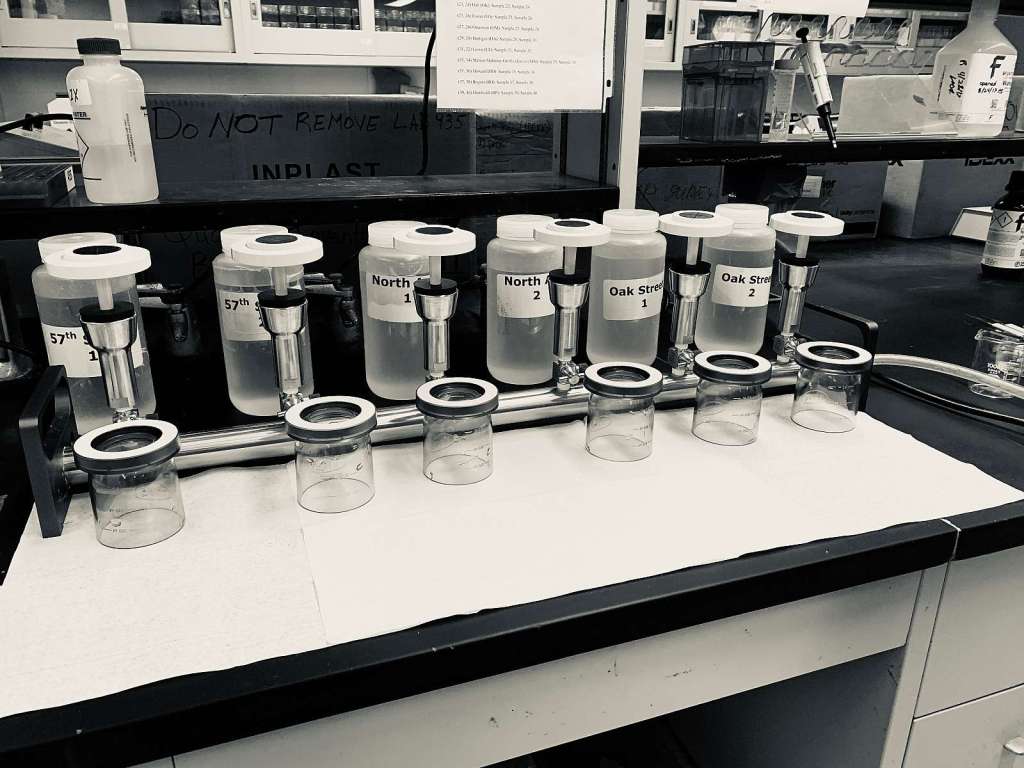
When WBEZ reporter Monica Eng called to say she’d been investigating my query, she invited me to join her at the University of Illinois at Chicago lab where the beach water is tested. We watched delivery of the water samples and observed the scientists take them through the paces. The daily results are released to the lifeguards by 1:30 pm. If there’s a high concentration of fecal matter, the lifeguards are supposed to raise a yellow flag which signals to the beachgoers the water quality might make them sick. The Chicago Park District stopped alerting the media about high levels of fecal contaminants and stopped closing the beaches in 2011, opting for the Swim-at-Your-Own-Risk flag system.
And the Border Collies? The UIC scientists pointed to studies that show gulls are the main culprit of contaminated water (and sand) and the most effective way to manage them is to use Border Collies. At a Chicago Park District Board meeting in July, I asked, 1) why don’t they use dogs now? and 2) why don’t they close beaches that test for high levels of fecal matter?
The Park District CEO answered that they don’t use dogs anymore because they were rejected for the EPA grants that funded them. And they don’t ban swimming for super high feces anymore because people like to swim, and the health department hasn’t heard about any E. coli infections from beaches recently. These answers didn’t restore my confidence in the Park District’s understanding of public health policy. But they did cement my resolve to never take Henry to the beach. We’ve settled for the view from the maniacal bike path.
And contaminated or not, the blue serenity of Lake Michigan is its own anti-depressant. No medication can substitute for the mood-altering calm of her reflected beauty. I’m grateful to have her.
My estranged husband dropped by my friend’s place at the Jersey Shore on Thursday afternoon, August 14, 1969 to fetch our child for the weekend. I lay in bed smoking pot with my sister’s boyfriend next to the crib where the two-year old slept. The three of us had a grand argument. Grabbing his toddler son, my husband screamed I would never see either of them again as he bolted from sight.
The next morning, I hopped in a station wagon headed for Three Days of Peace and Music in Woodstock, New York, with my sister, the boyfriend and a few merry-making hippie wannabes. The car roof was overloaded with tents, sleeping bags and cases of Rolling Rock. We squeezed a change of clothes, toiletries, hallucinogens and festival tickets into our Army surplus backpacks.
Turning off the New York state highway onto the country road leading to Bethel, we fell in line with a flotilla of vehicles undulating in three lanes up a two-lane road. We shared joints and beer with new friends and danced alongside cars with tunes blaring from their radios. After a few hours we pulled into a roadside clearing and set up camp with other squatters.
Concealing our festival tickets for fear someone would pickpocket them, we stepped into the twenty-minute march to the festival. We came up over a rise to the clear acoustic sound of “Freedom”. There were no ticket takers, no souvenir stands, no fences, no security guards. All of life gently moved downhill toward the music, each group plopping down on each perfect spot with Richie Havens in sight.
Wavy Gravy announced 500,000 people, don’t eat the brown acid and free food in the Hog Farm tent. A lone helicopter whirled in and out of a landing spot near the stage. Cardboard crates full of donated ice cream sandwiches, oranges and apples were arriving on the helicopters and getting passed overhead one to another.
Paranoia ignited my companions who returned to camp one by one. They believed the government had gathered all the hippies in one place to drop bombs on us. I remained. Rain fell sometime in the night and the day. I crawled under a stranger’s tarp slept off and on, waking for Santana, Canned Heat, The Grateful Dead, Creedence Clearwater Revival and then that Texas twang from my hero …take another little piece of my heart.. Janis Joplin. Sly and the Family Stone rocked the muddy land as I wandered through the thinning crowd.
On Sunday morning I found myself among a group of tattooed bikers. I thought I should be afraid but they shared their drugs, food and drink. We were at perfect peace as Jimi Hendrix and his band, Gypsy Sun & Rainbows came to the stage, nine hours later than scheduled. He lifted us all into the fifth dimension throwing down his crazy electric Star Spangled Banner. We claimed Hendrix’s version for our ourselves–our own national anthem because we loved America too.
The party was over. I stood alone on a muddy, garbage-strewn hill. A friend appeared who had stranded his car on the festival road. We laughed and cried moseying along the road with other stragglers searching for their rides. Squinting through the sunny Monday, we drove down New Jersey’s Garden State Parkway landing in the sobering net of the state police. I gulped down a stash of opium saving us from legal harm.
Down from heaven to home, I faced the consequences of my humanity, vowing to clean up my act.

 at the end, and to designate someone to decide medical treatment when we can’t speak for ourselves. All my papers are in order. For all the Death Cafes, Journey Care and Compassion & Choice discussion groups I’ve attended, never have I been in a roomful of people who turned the conversation so fast and openly to how and when to commit hari-kari before they couldn’t speak for themselves.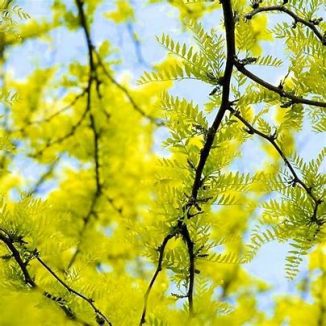



 moribund sea urchins from intertidal shallows of the Atlantic. We had been snorkeling around his family’s cottage in the Bahamas and splish-splashed far along salty Eleuthera Bay to the narrows between two deserted islands. We tucked a few sand dollars in our bathing suits and floated home half-submerged, flapping lazily over sea turtles, starfish and schools of barracuda. The shattered remains of those sand dollars lay now in the burial mound of ever-increasing sacred memories.
 e backyard and that it had bullets in it. I asked if he told his teacher. “No! He’s my best friend!”
 preacher. We thought the Black preacher would talk about his faith journey, but he talked about his Black journey. We lose interest.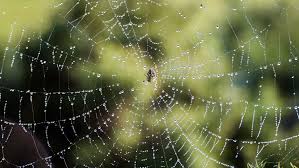
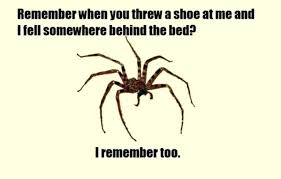 spooked to to get close, I couldn’t swat them with a rolled-up newspaper or magazine. Instead, I hurled shoes and books at the walls and ceilings where they hung. Still I woke on Spring and Autumn mornings with fist-size raised itchy blotches on all uncovered body parts–my face, neck and hands. Spiders weren’t in the sheets, they crawled on top of me.
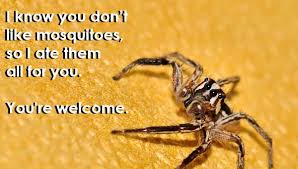 protecting us from a plague of stinging insects. These are the spiders I tried to kill. Not anymore. I love them. My protectors.
 I hated money. When my father insisted I send my twelve-year old son to boarding school in the late seventies, I relented because I was afraid my father would stop paying our rent. My son resented me openly and I resented my father secretly. I’ve spent a lifetime declining requests from friends to join them in a subscription to the ballet or a share in a vacation beach house. Why? Money, that necessary evil that separates me from others.


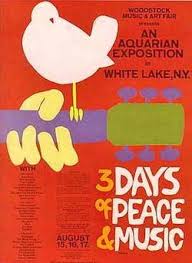
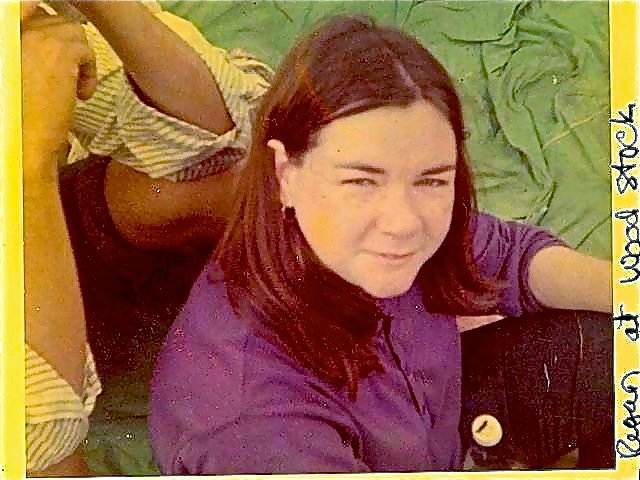 remained. Rain fell sometime in the night and the day. I crawled under a stranger’s tarp slept off and on, waking for Santana, Canned Heat, The Grateful Dead, Creedence Clearwater Revival and then that Texas twang from my hero …take another little piece of my heart.. Janis Joplin. Sly and the Family Stone rocked the muddy land as I wandered through the thinning crowd.
