In May 1990 Agnes collapsed and was taken to the hospital. I was in Chicago and flew to New Jersey immediately. Therese fetched me at Newark Airport and drove straight to Point Pleasant. My mother was unconscious and attached to a breathing machine. When I caressed her hand, I noticed her freshly painted nails.
“We went for a manicure a few days ago.” Cousin Therese whispered.
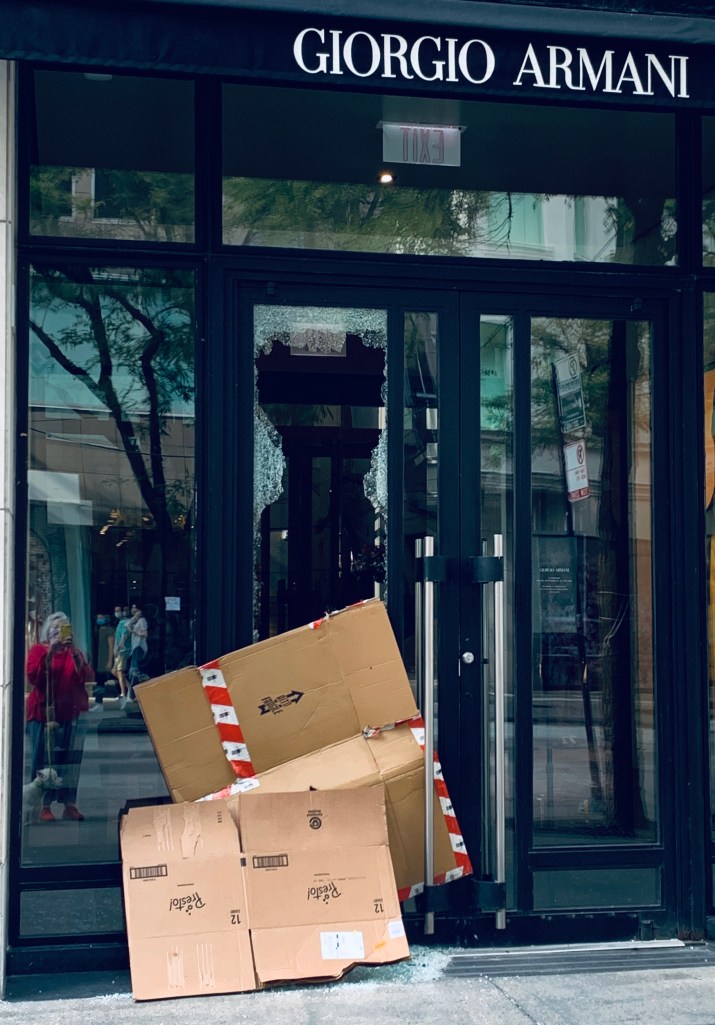
Agnes had dementia the last five years of her life. Whenever I visited her, we’d have dinner, go to a movie, shop. Her lifelong carping and criticism must have died with the missing brain cells. She was softer, easier to love, without the booze. More than a few times I caught her walking out of a shop with unpaid goods. I thought she just forgot how to pay.
The official cause of death states, “Alzheimer symptoms due to alcoholic brain syndrome.” A few years earlier, alcohol and cigarettes had been removed from her life. But she didn’t know it. Her dementia had progressed to the point that she involuntarily mimicked both lighting up an imaginary Marlboro and sipping an imaginary scotch-on-the-rocks. Wet brain (formally known as Korsakoff syndrome) is caused by alcohol robbing the brain of vitamin B1. The deficiency slowly destroyed her brain cells. The damage progressed beyond the point of no return until she died. She was seventy.
When I was a young wife and mother living in married student housing at Michigan State, my mother would occasionally send me exquisite sweaters, blouses, shoes and boots. My husband was a graduate student. We had a baby. Our only expendable income came from my babysitting jobs. My mother’s part-time job selling shoes supplemented whatever she could beg, borrow or steal from relatives. I gladly accepted her gifts, never questioning how she could afford them.
Agnes taught me to shoplift when I was twelve. At the time I thought we were learning together. She was, in retrospect, more experienced than she should have been for a beginner. I became a successful petty thief until I found God in my mid-twenties and changed my ways.

In dementia Agnes carried a small red leather clutch purse. She incessantly opened it and fingered through its only contents—lipsticks. The nursing home crew gave her their old lipsticks because the sound of them click-clacking as she rifled in her bag calmed her down. Besides, if her purse was filled with lipsticks, she was less likely to lift them from the other residents.
The day she died, Therese suggested we visit the nursing home to thank the staff. Agnes’ nondescript empty bed sat in a room with five others. Her closet and dresser overflowed with garments I’d never seen before.
“Is all this my mother’s?” I asked a nurse.
“No. We couldn’t stop her from taking other people’s clothes so we gave up and let her keep them.”
I thanked her for letting my mother make her own way across the universe.





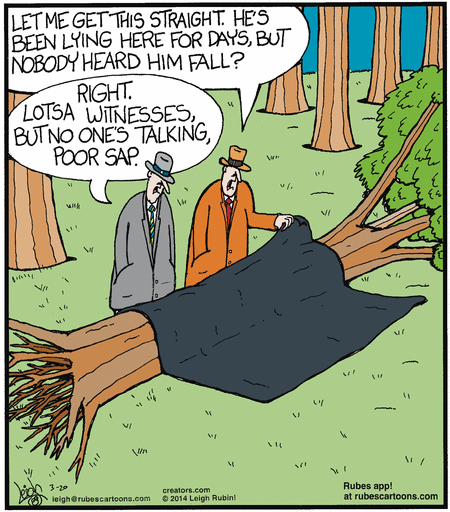 Albert Einstein once posed a question to a fellow physicist, “Do you really believe that the moon only exists if you look at it?” It’s a common philosophical question, similar to
 There’s not been an event in my life that’s made me feel more like a hot shit than going to Woodstock.
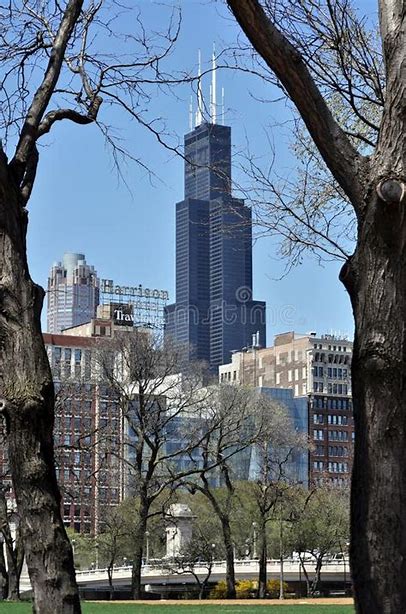 People often ask why it’s called the Sears Tower since no tools or washing machines are sold inside. I shrug my shoulders. The well-reported troubles of the Sears Tower are too exhausting to recount. Even as the doors opened in 1973, Sears Roebuck & Co., had slipped in its ranking as the largest retailer in the world. Lawsuits beset the half-built tower trying to limit its height so it wouldn’t block television signals. The news has continually reported the building’s bankruptcies, miles of vacancies and its lost status as the world’s tallest building.
 family virtues right forestalled soul-crushing parental recriminations.
 Regan Burke