When my family finally came apart in the Chicago suburbs, one of my sisters and I were sent to live with relatives in Upper Marlboro, Maryland. Two other sisters and my mother settled in with relatives at the Jersey Shore.
Colonized around 1690 by British Catholic royalists, Upper Marlboro became a Southern Maryland river port for tobacco ships. When I arrived in 1959, there was no sign of the native Algonquin tribes who had inhabited the area for 10,000 years, and the Patuxent River was unnavigable. The town had become an agricultural, social, and political hot spot. A mere ten miles from the Washington, D.C. border, Upper Marlboro’s old tobacco farms served as weekend getaways for the political class with free-flowing gin and Saturday morning rides to the hunt.
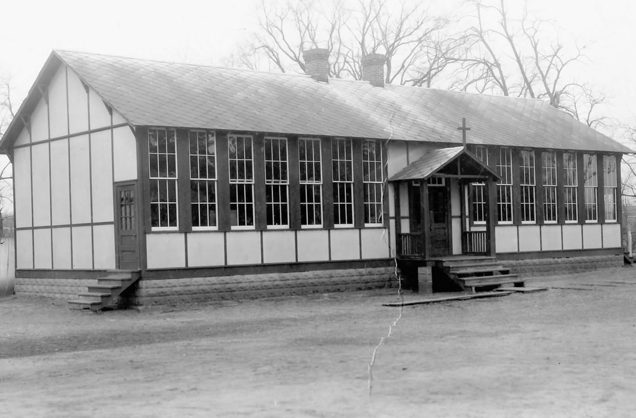
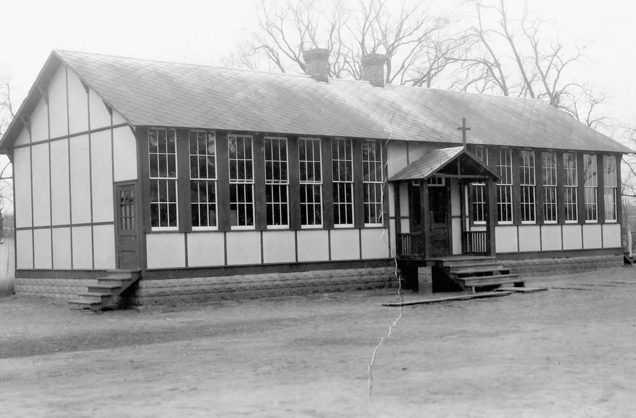
My family had moved in and out of towns all over the Midwest, but we never lived in the South. And never had I been in a segregated school. This is Harriet Tubman country. In 1850, tobacco planters around Upper Marlboro owned 2,793 enslaved Black people. One hundred and nine years later, Catholic schools and churches were still separated by race. At thirteen, I had no clue how to speak up for injustice. My aunt and uncle acknowledged segregation was wrong but cautioned me to keep my mouth shut. On my first day at St. Mary’s grade school, I asked my teacher why the Black children were in a different building.
Out on the playground, a baseball game formed every day at noon. A boy in my class chose the teams. Who is he? Did the nuns volunteer him to organize the kids? Everyone called him “Rabbit.” I traipsed up to him and asked if I could play. Without blinking, he asked, “What position?”
“I can play anywhere, but I was a pitcher on my softball team.”
“Where’s your mitt?”
“It got lost when we moved.”
“Here. Take this: It’s extra. You can pitch until someone else wants to.”
Again, I wondered who he was. This coach? This commander of respect? This boy in my class? This leader?
When the Black kids came running from their school, they rushed up to Rabbit, and he divided them into our teams.
“Henry, you play first base for the B team. Betsy, you be shortstop for the A’s.”
Everyone knew we had only an hour to play; they jumped into action on Rabbit’s direction without hesitation, without whining, antsy to get on that field.
“That’s Regan!” He shouted. “She’s gonna pitch for a while.”
“Play Ball!”
On the way back to our classroom, I asked Rabbit if we were allowed to play with the Black kids.
“Not ‘sposed to,” he said. “But we don’t ask. They know we jus’ wanna play ball.”
Rabbit is the first natural-born leader I remember. In the classroom, he respected others and did his work. He was distant but had friends. I never pitched again because Rabbit rotated others in. He never criticized. He never praised, either.
He just wanted to play ball.

 father left the Navy, we moved to a red brick colonial on Fox Hall Road in Washington and my father started his first job as a labor lawyer for John L. Lewis, founder of the United Mine Workers. They held the same liberal political views but Lewis, a devout, moralistic Mormon and my father, in the early stage of his alcoholism had battling temperaments.
 Regan Burke