The Birth of the Modern Democratic Party
In the early Clinton for President campaign, I moved to Little Rock from my home in Chicago to work as Clinton’s campaign scheduler. I had plenty of campaign experience with upstart little-known candidates whose campaigns were short on funds. In other words, I had a knack for getting Bill and Hilary Clinton around the country utilizing volunteer drivers, advance people and discount event producers.
Despite rumors of Clinton’s womanizing in 1991, a lot of Democrats believed in him. When I told a political friend I was moving to Little Rock, he said “Good Luck!”, his acknowledgement of another bad life decision I was slinking into. As the campaign scheduler, I needed a big bench of nationwide advance people to create events. I knew plenty of former presidential campaign veterans who loved Bill and Hilary Clinton and others who were just happy to help. No one was in it for a potential White House job because no one actually believed he could win. Bill Clinton positioned himself as the underdog and we love underdogs, or at least we used to.
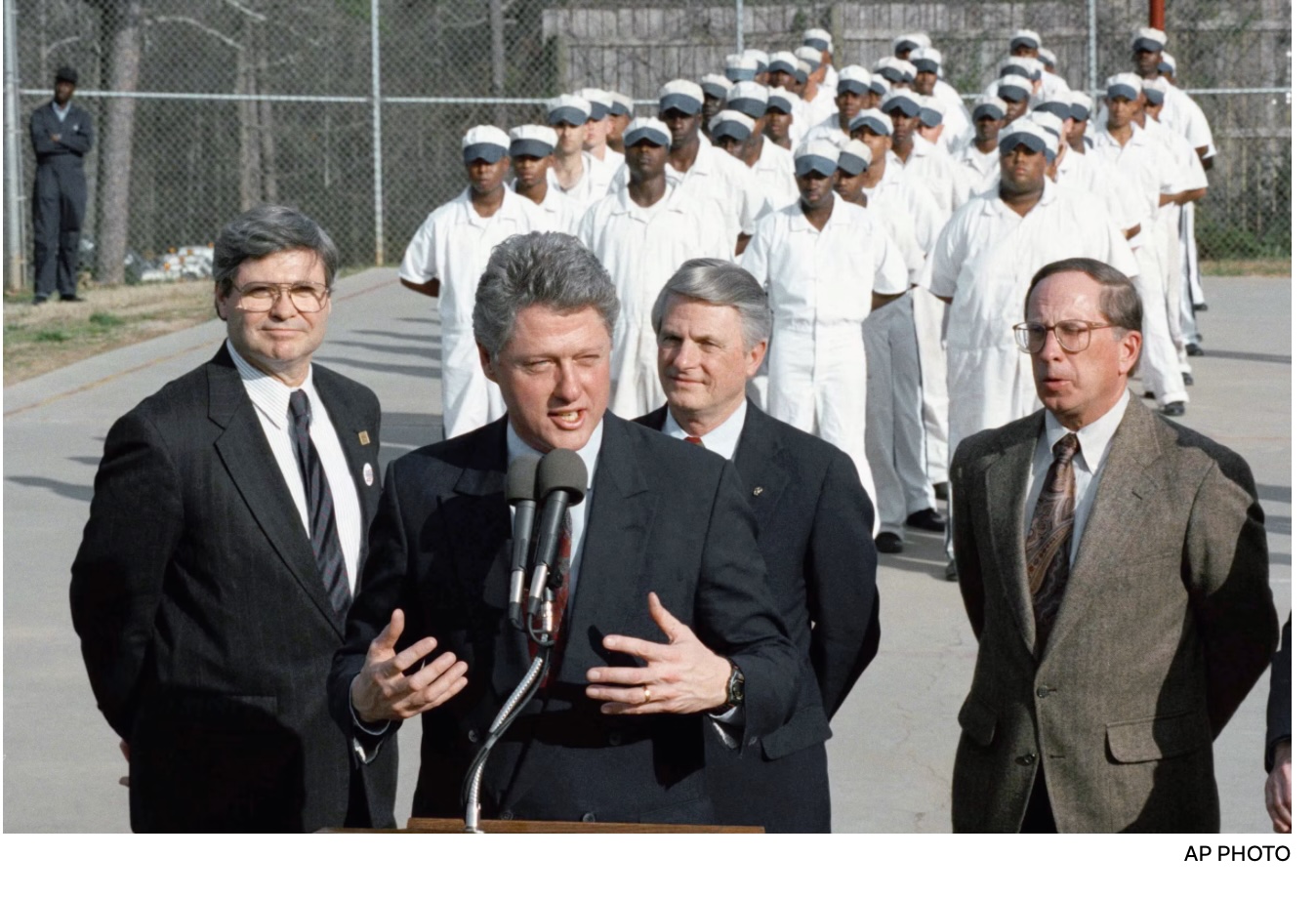
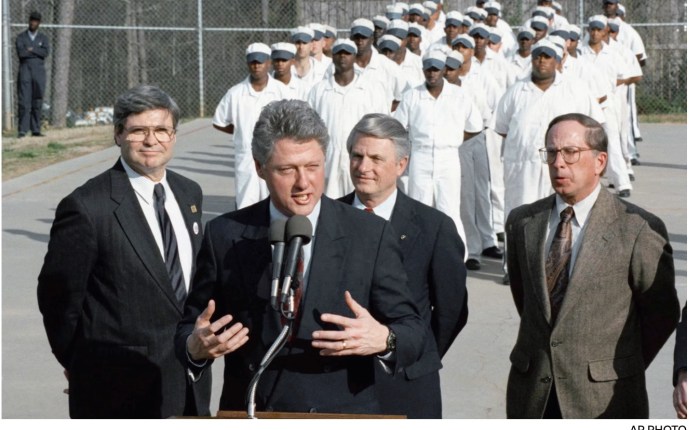
In early March 1992, campaign bigwig James Carville called and directed me to schedule Clinton at the Stone Mountain Correctional Institution in Georgia, a boot camp for young male prisoners. He and the other Clinton consultants, advisors and friends reasoned that a photo of Clinton strolling with black inmates and Southern white male politicians would cinch Clinton’s appeal to the state’s Reagan Democrats (white voters) and he’d win the Super Tuesday Georgia Primary.
I assigned an advance team for the hastily organized event. The lead advance person called me a few hours after he’d arrived and had gotten the lay of the land: “Regan, the Ku Klux Klan hold an annual cross-burning at Stone Mountain Park. Are you sure you want Clinton to come here?”
I called Carville: “James, are you sure Stone Mountain is a good idea?” He assured me the bold move would boost our poll numbers.
The day after the event Carville called me: “This is not your fault,” he said in that red-hot Cajun voice of his, “I take full responsibility.” He was trying to take the fall. I knew right then the campaign staff on the road with Bill Clinton were blaming me for the debacle (I left the campaign soon after). And debacle it was. Bill Clinton’s New Democrat (conservative) campaign advisors were determined to make him the law-and-order candidate. The photo on the front page of every paper in the South helped Clinton win the Georgia Primary, but not without a price. The national press excoriated Clinton for his racial insensitivity.
Democratic candidate Jerry Brown (former governor of California) said, “Clinton and the other politicians looked like colonial masters trying to tell white voters ‘Don’t worry, we’ll keep them in their place.’”
I was reminded of Stone Mountain recently in reading an article by historian Jamar Tisby about a naive racial reconciliation attempt on Stone Mountain. Of course the Clinton campaign wasn’t attempting to reconcile the races—quite the opposite. They perpetuated racial divide in order to win.
And some of those same Democratic advisors, friends and consultants are still at it, running for office, advising others and pontificating.