In early January 1992 I scheduled the execution of a man on death row.
I was the scheduler for Bill Clinton’s presidential primary campaign. As the governor of Arkansas, Clinton was required by law to be in the state whenever an execution occurred. There was a man whose case had run its course and he had to be put to death in the month of January, smack in the middle of the most feverish campaigning before the first Primary in New Hampshire. In creating a schedule of events, consultant-driven campaigns are guided by red-hot polling data. A candidate’s time is in flux except for fundraising events which cannot be changed or postponed.
When I got the call from the governor’s office about the execution, my body shivered to the bone. I barely made the bathroom to expel a volcanic rise in my belly. Shaking it off, I grabbed Clinton’s calendar and headed to the fundraiser’s office.
“Rahm,” I said, “Get off the phone. This is important.”
“What the fuck is wrong?” Rahm flew out of his chair.
“I have to schedule a day for Clinton to be in Arkansas for an execution,” I said, “help me nail down the details of your upcoming fundraisers.”
“That’s great!” Rahm said, “polling shows the public favors capital punishment.”
Bill Clinton called from New Hampshire. He explained the case of Ricky Ray Rector, that he had wrestled with this man’s story for years. He heard my tears, was sorry I had been put in this position. But it was the law and we had to proceed.
Clinton deplaned in Arkansas on January 14, 1992. Ricky Ray Rector was executed. Clinton departed an hour later to resume campaigning.
In early March, campaign bigwig James Carville directed me to schedule Clinton at the Stone Mountain Correctional Institution in Georgia, a boot camp for young male prisoners. He reasoned that a photo of Clinton strolling with Black inmates and Southern White male politicians would appeal to the state’s Reagan Democrats a.k.a White voters to cinch a win in the Super Tuesday Primary.
I sent a team to Atlanta. The lead member of the advance group phoned: “Regan, the Ku Klux Klan hold an annual cross-burning at Stone Mountain. Are you sure you want Clinton to come here?”
“No. But Carville says the bold move will shift the polls.” I answered, “and Rahm wants Clinton to look like the law-and-order candidate.”
Bill Clinton won Georgia. The front page Stone Mountain photo did its job, but not without a price. The national press excoriated Clinton for racial insensitivity. Democratic candidate Jerry Brown (former governor of California) was quoted, “Clinton and the other politicians looked like colonial masters trying to tell white voters ‘Don’t worry, we’ll keep them in their place.’ Carville apologized for not taking my team’s concerns seriously.
Rahm Emmanuel worked as policy meister in the Clinton Administration, Chief of Staff for Obama, Congressman and Chicago mayor, as he continually reminds us in his unapologetic pre-announcement hurl toward the 2028 presidential campaign.
Jeremiah 13:23: Can an Ethiopian change his skin or a leopard its spots? Neither can you do good who are accustomed to doing evil.
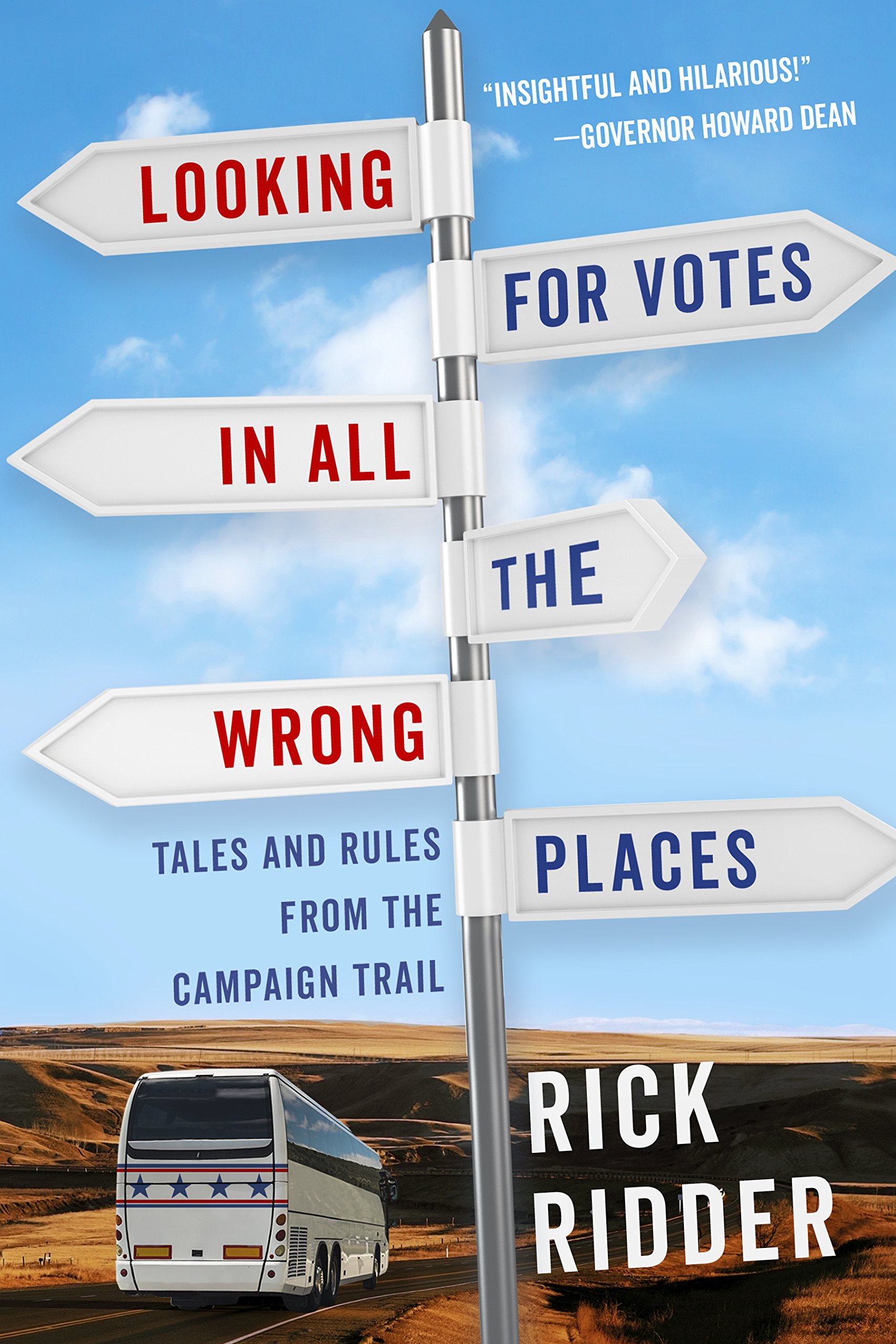 small way. We both survived the 1980s Gary Hart presidential campaigns. So when it comes to making room on the shelves for other sympathy books, the ties that bind keep Rick’s book in place.

