Fritz Edelstein on ‘Let it Be’

Fritz Edelstein on ‘Let it Be’

Guest Blogger Fritz Edelstein, Principal at Public Private Action, was the Director of Constituent Services in the U.S. Department of Education where we became friends during the Bill Clinton administration. Fritz lives in Park City, Utah, and for many years he produced the “Fritzwire” newsletter.

Let it Be by Fritz Edelstein:

“Let It Be,” one of The Beatles’ most iconic songs, is often seen as a poignant farewell to the band’s incredible journey. Written by Paul McCartney, it was released as a single in 1970 and became the title track of their final studio album. The song carries a timeless message of hope, resilience, and acceptance, making it a beacon of comfort for listeners across generations.

Moved by the dream, McCartney turned his feelings into music. The lyrics reflect his mother’s comforting presence, with lines like “When I find myself in times of trouble, Mother Mary comes to me, speaking words of wisdom: Let it be.”While some interpreted the song as having religious undertones, McCartney clarified that “Mother Mary” referred to his own mother, whose memory brought him peace during a difficult time.

Musically, “Let It Be” is both simple and profound. The gentle piano melody and soulful vocal delivery create a sense of serenity, while the gospel-inspired arrangement adds emotional depth. The song’s climactic guitar solo, played by George Harrison, gives it a stirring, cathartic energy. This combination of elements underscores the song’s universal message: even in times of uncertainty, there is solace in acceptance and hope.

The release of “Let It Be” coincided with the official breakup of The Beatles, giving the song additional weight. For fans, it felt like a farewell gift from the band—a reminder to cherish the good moments and embrace change with grace. The song’s themes of resilience and faith resonated deeply, particularly during the social and political upheavals of the late 1960s and early 1970s.

Over the years, “Let It Be” has become a cultural touchstone, often played during moments of collective reflection or mourning. Its message transcends its origins, offering comfort in times of personal or global crises. For McCartney, the song remains one of his most personal creations, rooted in the memory of his mother’s wisdom and love.

As The Beatles’ final single before their disbandment, “Let It Be” serves as both a farewell and a timeless message of hope. It reminds us that even in the face of loss or uncertainty, there is peace to be found in letting go and trusting the passage of time.

___________________________

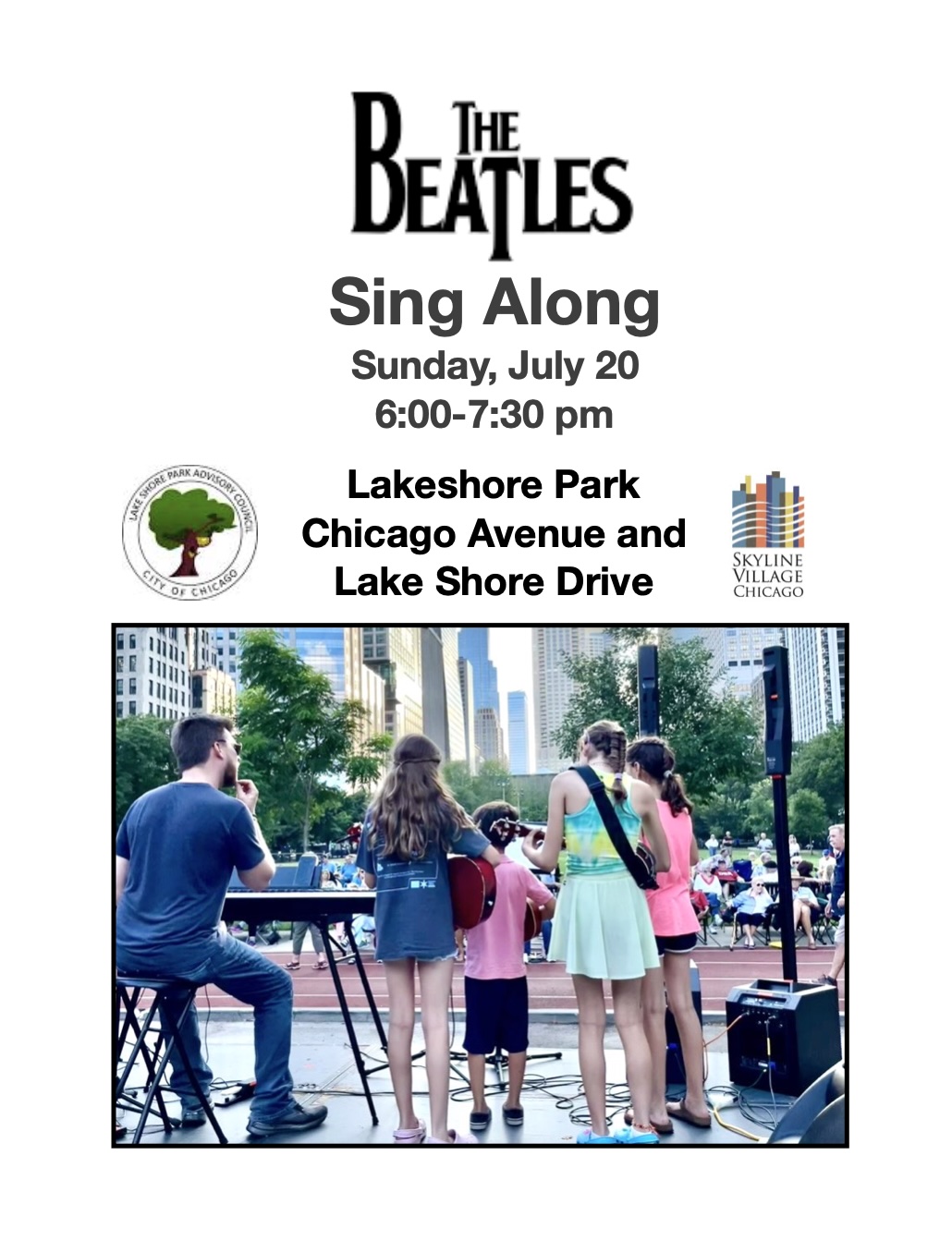
Join us in Chicago on July 20 to sing ‘Let it Be’ and 17 other Beatles tunes. It’s always the best event of the summer.
Across the Universe with Agnes

 In May 1990 Agnes collapsed and was taken to the hospital. I was in Chicago and flew to New Jersey immediately. Therese fetched me at Newark Airport and drove straight to Point Pleasant. My mother was unconscious and attached to a breathing machine. When I caressed her hand, I noticed her freshly painted nails.

“We went for a manicure a few days ago.” Cousin Therese whispered.

Agnes had dementia the last five years of her life. Whenever I visited her, we’d have dinner, go to a movie, shop. Her lifelong carping and criticism must have died with the missing brain cells. She was softer, easier to love, without the booze. More than a few times I caught her walking out of a shop with unpaid goods. I thought she just forgot how to pay.

The official cause of death states, “Alzheimer symptoms due to alcoholic brain syndrome.” A few years earlier, alcohol and cigarettes had been removed from her life. But she didn’t know it. Her dementia had progressed to the point that she involuntarily mimicked both lighting up an imaginary Marlboro and sipping an imaginary scotch-on-the-rocks. Wet brain (formally known as Korsakoff syndrome) is caused by alcohol robbing the brain of vitamin B1. The deficiency slowly destroyed her brain cells. The damage progressed beyond the point of no return until she died. She was seventy.

When I was a young wife and mother living in married student housing at Michigan State, my mother would occasionally send me exquisite sweaters, blouses, shoes and boots. My husband was a graduate student. We had a baby. Our only expendable income came from my babysitting jobs. My mother’s part-time job selling shoes supplemented whatever she could beg, borrow or steal from relatives. I gladly accepted her gifts, never questioning how she could afford them.

Agnes taught me to shoplift when I was twelve. At the time I thought we were learning together. She was, in retrospect, more experienced than she should have been for a beginner. I became a successful petty thief until I found God in my mid-twenties and changed my ways. 

In dementia Agnes carried a small red leather clutch purse. She incessantly opened it and fingered through its only contents—lipsticks. The nursing home crew gave her their old lipsticks because the sound of them click-clacking as she rifled in her bag calmed her down. Besides, if her purse was filled with lipsticks, she was less likely to lift them from the other residents.

The day she died, Therese suggested we visit the nursing home to thank the staff. Agnes’ nondescript empty bed sat in a room with five others. Her closet and dresser overflowed with garments I’d never seen before.

“Is all this my mother’s?” I asked a nurse.

“No. We couldn’t stop her from taking other people’s clothes so we gave up and let her keep them.”

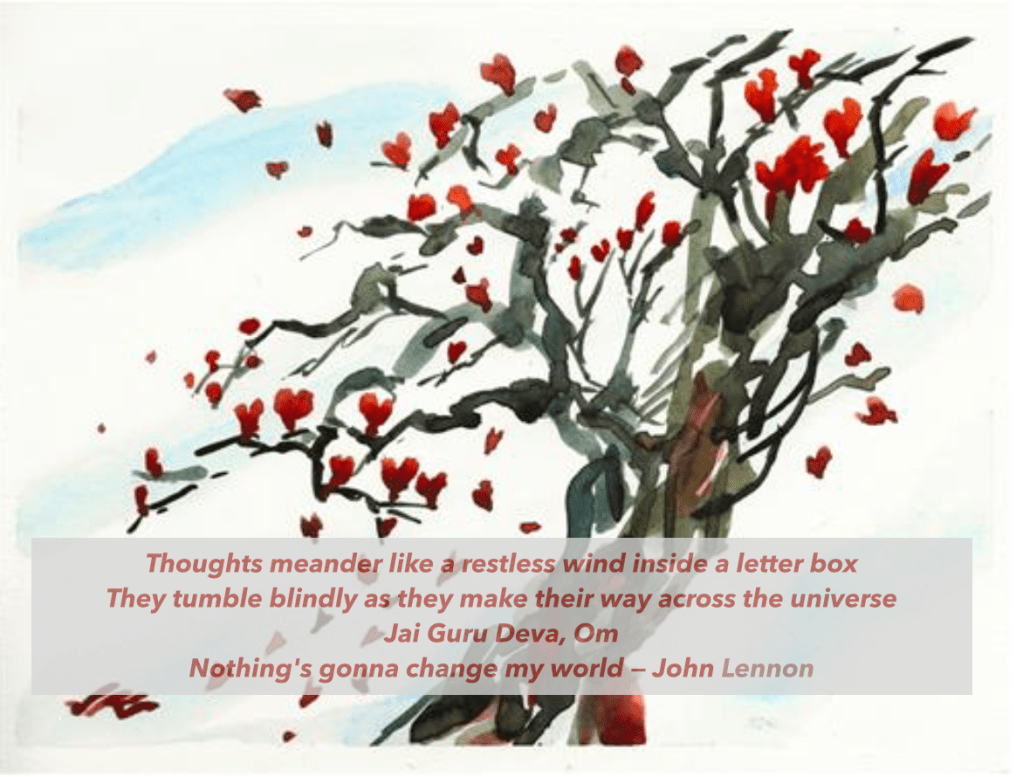
I thanked her for letting my mother make her own way across the universe.