
In 1950s Wilmette, Illinois, children followed rules. Not many ten year olds would steal onto the public works property and play around on the Water Plant roof. The first taboo my sister and I broke was to gather stones and toss them from the roof into the sand below. Next, we dared each other to jump off the 1930s one-story building. The sand provided a warm soft landing and extracted plenty of triumphant giggles from two adventurous little girls.
The Wilmette Water Plant, built into a low cliff on the shores of Lake Michigan, is walled off by an eight-foot cast iron spiked fence. The street level roof sits back far enough from the shore road to avert curiosity. A 1956 building expansion required a construction entrance in the fence leaving the Water Works temporarily defenseless.
We waited until the workers left for the day and again and again sneaked onto the roof to throw ourselves off. Eventually my sister slacked off and I jumped alone. Each leap to the unknown helped transcend the uncertainty of our volatile home life. For years afterwards I dreamed I was flying. Indeed, when I took a lot of psychedelic drugs in my 20s, I relived those jumps.
In winter, down the street from the Water Works on the same cliff system, the fire department hosed down a steep hill for sledding. Devil-may-care pre-snowboarders sailed down the icy slope standing on cardboard slabs. Eventually I tossed the cardboard and flew downhill toward Lake Michigan standing only on my brown rubber boots. Ambulances, always at the ready, carted off sledders everyday to Evanston Hospital. Never me.
I see no reason to examine why I’m driven to dangerous adventures. Risky jumps and high-flying sledding sparked a fire in me that can’t be extinguished. Perhaps those early escapades instilled self-confidence, or more likely, false invincibility.
For a few years I spent all my expendable income on scuba diving in the Bahamas. After a short course in diving, and a few failed attempts, I jumped to the unknown once again and flippered around with the fish. I never once thought of the risks. And there are plenty.
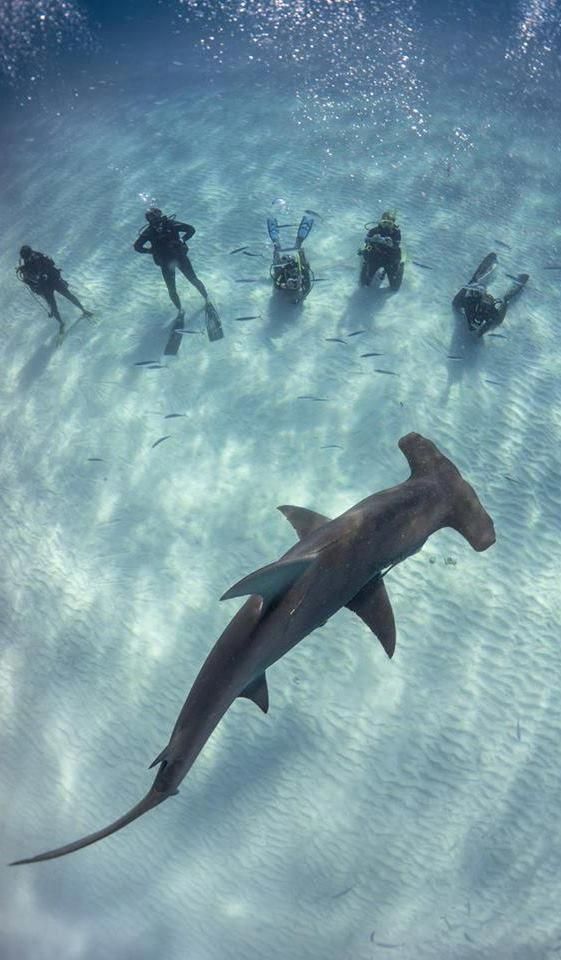
One morning before I left the islands, I suited up and waited for the divemaster to outfit the boat. I casually mentioned to a fellow diver I was leaving that afternoon.
“Are you flying?” asked the divemaster.
Yes I was.
“Hang up your wetsuit and get out of here! Don’t you know you’ll get the bends if you dive and fly the same day? Your insides could explode in the plane!”
On social media last week, many posts begrudged the efforts to rescue five wealthy souls lost in the Titan submarine. My risky adventures are over now, and were never so grand. But I join adventurers everywhere who cherish the U.S. Coast Guard’s salvation message:
“We don’t put a price on human life. Every person who is missing deserves to be found. That’s the mission, regardless of who you are.”
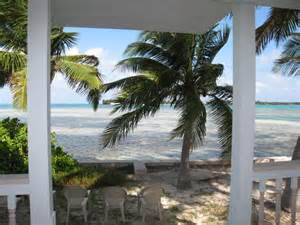
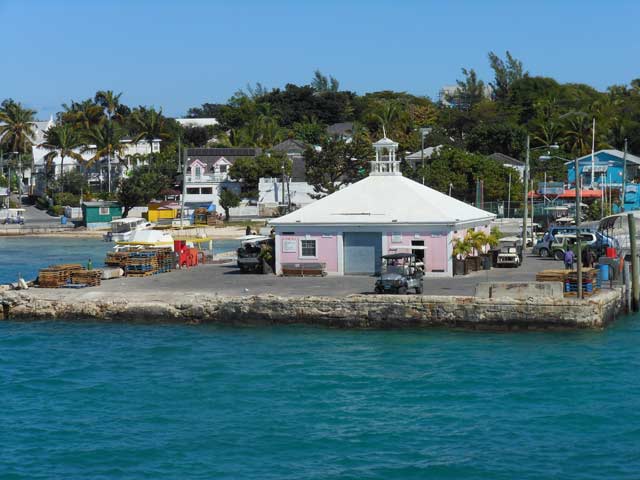 own on Harbour Island. Saltwater sprayed our welcoming faces and dried out our pollution-soaked nostrils. The sun heated, then soothed the top of my head, melting my restlessness.
 Regan Burke