
Until the beginning of April, the Center for Disease Control, health departments, doctors, scientists and pundits advised us to wear a mask only if we had symptoms. Then the message changed. We learned there were people with coronavirus who have no symptoms. A cloth face covering is recommended for everyone now to prevent us from giving it to and getting it from each other.
All of a sudden everyone wore a mask. For about ten days.
On a mid-April Saturday, Henry studied the sudden arrival of daffodils, marking his spot.  We’d walked less than a half a block before I breathlessly yanked my homemade mask off. The lightweight cotton had turned into a heat chamber about to asphyxiate me. I wasn’t the only one. Everyone’s mask was askew or nonexistent in the warmer weather. And that was the end of widespread mask use in the neighborhood.
The inconvenience of non-essential work has come upon the privileged. A neighbor can’t get her dishwasher fixed because our building management has deemed it a non-essential repair. I tried to replace a light bulb in the lamp by my reading chair and it broke off, leaving the guts screwed in place and me holding the glass bulb. The maintenance man said “no”. Even though I played the old lady card, it’s not essential that my aging eyes have light to read. “Watch TV,” he said.
We’re not exactly on Cormac McCarthy’s Road, or settling into deprivation. But ordering groceries online has taken a turn. There are no delivery times available for the old stand-bys. I’m told to “check back later.” The store with the only coffee beans I like isn’t accepting online orders “at this time”. “Check back later” has taken up residence on my computer screen.
My computer screen is where I go to church. It’s livestreamed. Only it’s not exactly live because the preacher last Sunday admitted to recording the sermon. When the artificial worship service came into view the livestream accentuated all the elements of church I despise–the dead symbols, rituals, robes. And then the preacher delivered a walloping good sermon about “thriving in belief”.
“For now, caring for our neighbor by sheltering in place is believing in the unseen.” he said.
That’s me. You’re staying home for me. And I you. I believe this unseen selflessness will protect me, and you.
Do I like this virtue being forced on me? Not one bit. I’d rather make my own choice. I know what those protesters are up to. This is America. The government can’t tell us to stay home. It’s the Screwtape Letters in action. The master devil is telling his student to tempt us into saying God is on our side while tricking us into believing only in ourselves. If Granny gets sick and dies, it’s not because we gathered together in church, at a barbecue or a cocktail party. It’s God’s will.
That’s me, too. Belief in the unseen reveals my secret selfishness and depravity. And it allows me to self-correct, sight unseen, to receive the virtue. I don’t know how that works. I simply thrive in the belief.

 drove Arab families from their homes. Six generations later they’ve not been allowed to return. Armed Israeli forces frequently raid the camps on the pretext of searching for “wanted” Palestinians. Young Palestinians exact revenge and risk their lives with the most ancient of weapons—rocks.
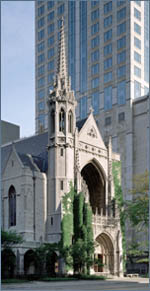 at Chicago’s Gold Coast Gothic Revival landmark, I arrived late and left early. I sat in the last pew, never opened the pew Bible, the songbook or recited the prayers. I didn’t belong there. I didn’t have the right clothes, right politics or right job. Indeed, I had no right to sit in well-ordered Presbyterianism.
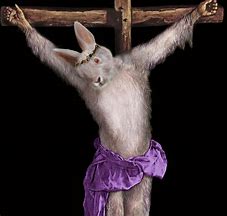 evening garbage, that doubting God strengthens faith. And it did. Until I started doing my own version of God. I built a periodic table of spiritual elements with blocks of God-info such as heaven and hell don’t exist and Jesus’ Resurrection is simply a symbol of renewed life. Trouble is, I silently scorned those who didn’t believe as I did. When I first met my co-workers I held a colonizing view of their beliefs. Over time my religious formulas fell in the trash heap. As slave descendants, they daily transformed their passed-down spiritual trauma into “I believe.”
 Regan Burke