The Role Model

The Role Model

When my family finally came apart in the Chicago suburbs, one of my sisters and I were sent to live with relatives in Upper Marlboro, Maryland. Two other sisters and my mother settled in with relatives at the Jersey Shore. 

Colonized around 1690 by British Catholic royalists, Upper Marlboro became a Southern Maryland river port for tobacco ships. When I arrived in 1959, there was no sign of the native Algonquin tribes who had inhabited the area for 10,000 years, and the Patuxent River was unnavigable. The town had become an agricultural, social, and political hot spot. A mere ten miles from the Washington, D.C. border, Upper Marlboro’s old tobacco farms served as weekend getaways for the political class with free-flowing gin and Saturday morning rides to the hunt.

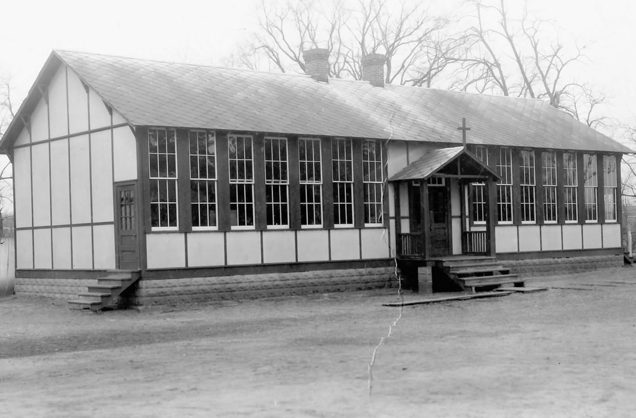
My family had moved in and out of towns all over the Midwest, but we never lived in the South. And never had I been in a segregated school. This is Harriet Tubman country. In 1850, tobacco planters around Upper Marlboro owned 2,793 enslaved Black people. One hundred and nine years later, Catholic schools and churches were still separated by race. At thirteen, I had no clue how to speak up for injustice. My aunt and uncle acknowledged segregation was wrong but cautioned me to keep my mouth shut. On my first day at St. Mary’s grade school, I asked my teacher why the Black children were in a different building.

Out on the playground, a baseball game formed every day at noon. A boy in my class chose the teams. Who is he? Did the nuns volunteer him to organize the kids? Everyone called him “Rabbit.”  I traipsed up to him and asked if I could play. Without blinking, he asked, “What position?” 

“I can play anywhere, but I was a pitcher on my softball team.”

“Where’s your mitt?”

“It got lost when we moved.”

“Here. Take this: It’s extra. You can pitch until someone else wants to.”

Again, I wondered who he was. This coach? This commander of respect? This boy in my class? This leader?

When the Black kids came running from their school, they rushed up to Rabbit, and he divided them into our teams.
St Mary of the Assumption “Colored” School Upper Marlboro, Maryland

“Henry, you play first base for the B team. Betsy, you be shortstop for the A’s.”

Everyone knew we had only an hour to play; they jumped into action on Rabbit’s direction without hesitation, without whining, antsy to get on that field.

“That’s Regan!” He shouted. “She’s gonna pitch for a while.”

“Play Ball!” 

On the way back to our classroom, I asked Rabbit if we were allowed to play with the Black kids.

“Not ‘sposed to,” he said. “But we don’t ask. They know we jus’ wanna play ball.”

Rabbit is the first natural-born leader I remember. In the classroom, he respected others and did his work. He was distant but had friends. I never pitched again because Rabbit rotated others in. He never criticized. He never praised, either. 

He just wanted to play ball.

Father’s Day: What Remains

Father’s Day: What Remains

His wavy black hair glistened as the light from oncoming headlights and street lamps streamed in and out of the front seat. With his left hand on the steering wheel, my father opened a pack of Pall Malls with his right, pulled out a cigarette between his teeth, and plugged in the lighter, all in one smooth move. I couldn’t wait to see the sparks, hear the hiss, and smell the burn as the lighter pressed up against the tobacco. The Pall Mall dangled between two yellow-stained fingers while the other two fingers and thumb encircled the steering wheel. In the passenger seat my mother scissored her cigarette between two Revlon-tipped fingers.

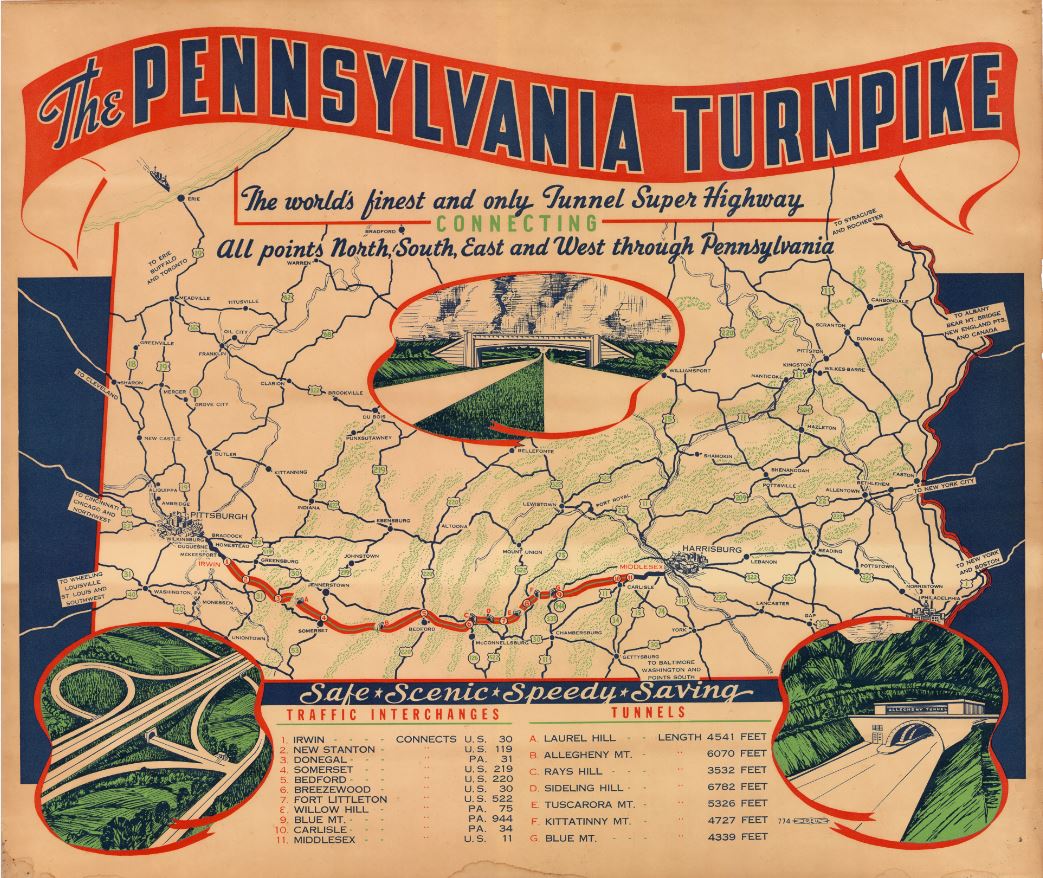
“We’re almost at the Pennsylvania Turnpike,” my mother announced.

The Pennsylvania Turnpike. My earliest memory of my father is watching the back of his head  moving up and back searching for signs for the Pennsylvania Turnpike. He’d driven my mother, my two sisters and I away from our home in Washington, DC, with the false hope of finding a saner life in Terre Haute, Indiana, his hometown. In 1952, driving north on two-lane roads through rural Maryland to hook up with the Pennsylvania Turnpike was a challenge, accepted by both parents. They knew their geography.

The Pennsylvania Turnpike ranks as the first long-distance highway built in the nation’s interstate highway system. Drivers and non-drivers alike bragged that call boxes were installed every mile to connect to an emergency service. Radio stations and newspapers across the U.S. followed the progress of the Pennsylvania Turnpike for its entire sixteen-year construction period.

“We’re headed into the Allegheny Mountain Tunnel,” my father said.

“How did they make this tunnel?” I asked.

“They dynamited a hole through the mountain.”

As we drove into the dimly-lit black cavern, I involuntarily stopped breathing. I could feel the full weight of the mountain above. I gripped the side of the window with my fingernails until we emerged a mile later into the Allegheny Mountains on the Pennsylvania Turnpike.

The super highway crosses the Appalachian Mountain Range in the central part of the state, passing through four tunnels and over five bridges. My mother called out the names of each map marker, a verification that we were on the right track. Allegheny, Susquehanna, Kittatinny, Mechanicsburg, Harrisburg, Pittsburgh, Blue Mountain.

Such was my introduction to the joy of map reading. My parents had the bug already. Nothing delighted them more than seeing a name printed on a big sheet of paper, driving in that direction, and coming across it in real life. It was more than just the practical accomplishment. They interacted with the world around them.

“Look! Shippensburg. That’s where your Navy friend is from.”

“There’s Hershey, where they make chocolate.”

“See the sign for Johnstown, home of the flood?”

There’s no chance we crossed Ohio and Illinois into Indiana without my parents’ succumbing to a drunken brawl. But grace abounds in recollecting those melodious names; navigating the Pennsylvania Turnpike is the only memory I have of my parents ever enjoying each other.