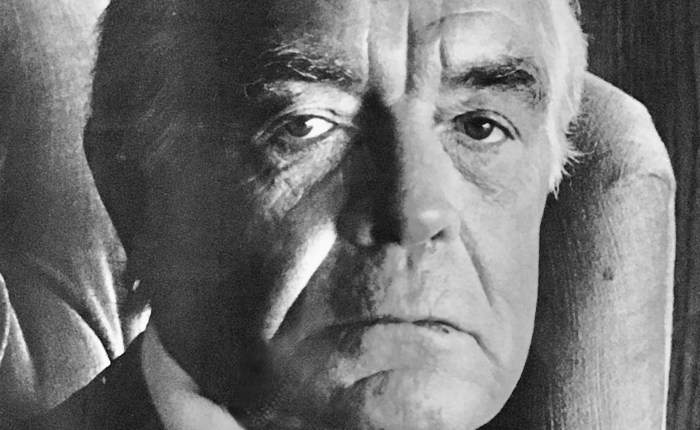
The last time I saw my father was in a La Salle Street law office. The confrontation was inevitable but I’d hoped he’d die before I ever had to see him again.
John the lawyer had told me a few weeks earlier that it was time. “We can’t put it off any longer.”
Herb, my old friend and lawyer, met me in the hotel coffee shop that morning. I’d flown in from Washington to Chicago the night before. My official notice requested a day off for personal business.
Personal business. The words are both too formal and too benign.
Herb flagged a cab on Michigan Avenue because my legs were too wobbly for the short walk to LaSalle Street. Two years had passed since I’d last seen my father. I came voluntarily to confirm fraud accusations against him. The thought of it kicked off spasms in my coffee-filled stomach.
Herb kindly offered to escort me from the hotel rather than risk my running into my father alone on the street or in the lobby or god-help-me in the elevator.
Are these extreme feelings legit? Why was a grown woman so afraid of her father?
He was such a good liar. Forty-five year old me could still remember that twisted smile from behind the cracked door of the upstairs bedroom the first time my mother called the police.
“It’s nothing, Officer,” he smiled. “Just a quarrel over money. You know how it is.”
Years later, after they’d separated, he sobered up. But that smile. The one where his bushy eyebrows turned inward toward his pooled eyes; where his bottom lip turned up but his upper lip remained still, imperceptibly quivering. If you hadn’t known him all your life, you’d never know that smile was a dead giveaway that he was lying.

Having lived most of his adult life in Gucci loafers and posh apartments, he became desperate for money in his seventies. We’d been close. Until friends of mine let me know he’d approached them to back a questionable business deal. He needed enough money to live comfortably until the end of his life, which was not too long as it turned out. At eighty he died of lung cancer, a diagnosis he never revealed to anyone.
Before I moved to Washington, I’d been in the room many times listening to my father on the phone hustling potential investors.
“Just need a few more thousand,” he’d lie, “Then we’re ready to go.”
A friend of mine he’d contacted without my knowledge took the bait. He gave my father almost a million dollars. Later, the friend sued.
In the conference room Herb objected to those bushy eyebrows taking a seat across from us. I locked eyes with the lawyer interrogating me. Two weeks before, a crony offered me $10,000 to not testify. The week before, my father called my boss growling I couldn’t be trusted.
After the deposition, I backed away from my oncoming father. Herb stepped between us.
“Don’t talk to her,” Herb warned.
And he didn’t.




 When the devils throw blow-out parties, they wave around essential-fatty-acid credentials weaving stories that depict the decolorization of human goodness. They bob around spewing certainties on the demise of the Democratic Party and the catastrophe of melting polar ice caps. Then they buzz cut what’s left of our serenity pronouncing Trump will be the next president.
 Regan Burke