Small souvenir dishes clutter the top of the old painted dresser next to my bed, overflowing with hair clips, earrings and obsolete campaign buttons. “Lori Lightfoot for Mayor” buttons spill out of their dish and take on a life of their own. The badges slip between pages of books, stick onto errant scarves and slide into the sock drawer. When they’re discovered I exclaim almost out loud, “what the heck…?”
When Chicago’s 2019 mayoral campaign heated up in the fall of 2018, I grabbed a half a bag of buttons from the Lightfoot campaign. A few times every day someone noticed the Lightfoot badge on my coat, and said something like, “I like Lori.” I’d then unhook my button and hand it to them. I carried extras. Whenever I slipped my hand into my pocket or dug to the bottom of my purse, I pricked my finger on one of the pins.
A month before the end of the campaign, I volunteered in the Lightfoot office making calls to arrange details for her appearances. I’ve worked in campaigns for fifty-five years and no matter how popular my candidate was, scheduling an appearance at an event
was always like pulling teeth. With Lori, as soon as I announced why I was calling, the person at the other end fell all over themselves to accommodate her. I returned a call to a business-oriented non-profit group who wanted Lori to meet their Board.
“How many Board members will be there,” I asked.
“The whole board,” he said. “About seventy.”
“Is this a regular Board meeting?”
“Oh, no. We’re pulling it together just to meet her.”
Right then, I knew she’d win.
The Lightfoot office was full of young workers with names I’d never heard before. Some were experienced, most not, but they had everything under control. After a few days, I left the office with another bag of buttons. I’d be more useful walking around handing them out to anyone who expressed interest.
One day I ran into a machine politician who asked if I was helping Lightfoot.
“They don’t know what they’re doing over there. I can’t get anyone to return my calls.”
Of course they did know what they were doing. Lori Lightfoot ran an outsider campaign, untethered to old-time Chicago politics. The staff wouldn’t know—or care to know—political operatives tied to the old Democratic machine.
On the way home from a mayoral forum one evening, I hopped on the 151 bus. A young man dressed in a black suit, white shirt, black tie sat next to me. I recognized the uniform.
“Are you on your mission?” I asked.
“Yes, I’m a member of the Mormon Church. Do you know about the Prophets?”
I said I knew a little about them.
“Most people say Jesus will come again when all the world is wicked. But I believe Jesus will come when the righteous become valiant.”
And then he got off the bus.
Hm. Yes, that’s how I’d describe Lori Lightfoot: righteous and valiant. Maybe I should start looking for Jesus.

 the front page of the Gary Post-Tribune. When he read the quote aloud, he laughed so hard he could hardly spit it out.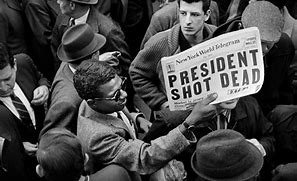




 However, I had involuntarily begun to relinquish my time to so-called breaking news. I clicked. The next thing I knew a little box appeared with a photo of a pair of shoes I coveted. Hmmm, I wondered if those were on sale. I clicked. As I lifted out of my chair to take a break, I saw two pop-ups I had to read first:
 upon him once in the kitchen. He was guzzling a bottle of orange juice standing in front of the open ice box wearing a buttoned up wrinkled trench coat and loafers, no socks, bare legs.
 before. The Chicago Park District solved the problem by hiring Border Collies to chase the gulls off the beach.
 homestead laws protected his property from creditors, so he moved from Chicago to a get-away home in Palm Beach where he could live with his new girlfriend and her little boy.
 togethers are often hilarious games of 20 Questions where we all guess what someone is trying to remember.
 Regan Burke